

About the author : Melbourne Stairs

Most staircases don’t get the attention they deserve—yet they shape how you move through your home every day. Overlooking critical details like riser height or balustrade specifications can affect your comfort and safety without you realising. In this post, you’ll learn which Melbourne staircase design elements matter most to create NCC compliant stairs that look stunning and feel right underfoot. For more insights, check out this guide.
Key Elements of Melbourne Staircase Design
Crafting the perfect staircase involves balancing comfort and style with safety and compliance standards. Let’s explore the key factors to consider in Melbourne staircase design.
Comfort and Safety Considerations
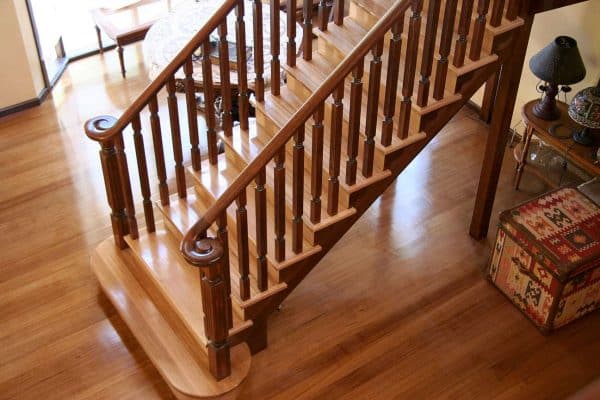
A staircase that feels right underfoot is designed with precision. The riser height in Australia typically ranges from 150mm to 180mm. This range ensures a comfortable climb without straining your legs. Equally important is the tread depth, which should be between 250mm and 355mm. Adequate tread depth offers a secure landing for your foot, reducing the risk of slips. Handrail height also plays a crucial role, usually set at 865mm to 1000mm above the nosing line. This provides a stable grip for ascending and descending.
Balustrades are another critical safety feature. In Australia, the balustrade height should be at least 1000mm. This ensures safety, especially on open staircases. Don’t overlook the finishing materials either. Non-slip finishes can prevent accidents, especially in homes with young children or elderly residents. The key insight here is to prioritise these comfort and safety elements when planning your design.
Style and Aesthetics
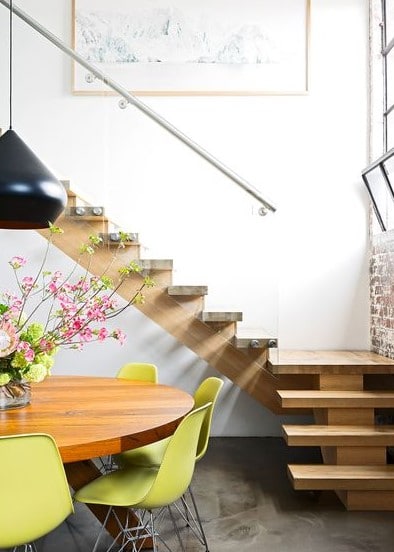
Your staircase is a central feature of your home, and its style should reflect your personal taste. Whether you prefer the warmth of Victorian Ash stairs or the rich tones of Spotted Gum, the choice of timber can enhance the visual appeal of your space. Glass balustrades offer a modern touch, creating an open and airy feel. For something unique, steel spine stairs or floating stairs in Melbourne homes add a contemporary twist.
Aesthetics also involves the finer details like stair treads and nosing. These elements can be customised to match the overall design theme of your home. By choosing the right combination of materials and finishes, you can create a staircase that not only meets your practical needs but also elevates the style of your home.
Compliance with NCC and BCA Standards
Meeting compliance standards is non-negotiable for staircases in Melbourne. It’s essential to understand these requirements to ensure both safety and legality.
Understanding NCC Compliant Stairs
The National Construction Code (NCC) sets out the legal requirements for building safety across Australia. Stairs must comply with these standards to ensure safety and durability. Compliance involves precise measurements for risers, treads, and balustrade heights. Most people think these standards are suggestions, but they’re crucial for safety.
Meeting BCA Stair Standards
The Building Code of Australia (BCA) outlines specific standards for stair construction. It mandates everything from handrail heights to the load-bearing capacity of your stairs. Ensuring your stair design meets these standards is vital for both safety and legal compliance. Melbourne Stairs, as a Registered Building Practitioner in Victoria, ensures that every staircase is built to meet these strict regulations, providing peace of mind and safety for all users.
Custom Timber Staircase Solutions
Choosing the right materials and designs can transform a staircase into a stunning focal point. Let’s delve into custom solutions that cater to your unique needs.
Choosing the Right Timber
Timber selection greatly influences the look and feel of your staircase. Victorian Ash, Spotted Gum, and American Oak are popular choices in Melbourne due to their durability and aesthetic appeal. Each type of timber offers a distinct look, allowing you to tailor your staircase to your home’s style. Consider the natural light in your space when choosing timber, as lighter woods can brighten dim areas, while darker woods add richness and warmth.
Bespoke Staircase Ideas
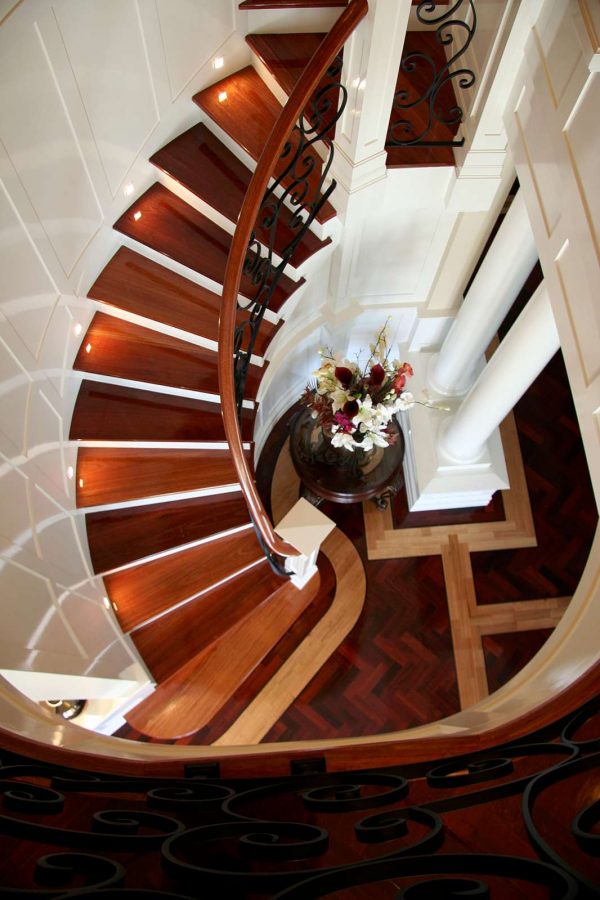
Custom designs allow you to create a staircase that truly reflects your personal style. Whether it’s a spiral staircase design that makes a bold statement or a classic straight flight with a modern twist, the options are endless. Incorporating elements like CNC precision stairs ensures a perfect fit and finish. Bespoke designs not only enhance your home’s aesthetic but also add significant value. With the right design consultation, you can transform your staircase into a masterpiece that serves as both a functional and decorative element in your home.
Frequently Asked Questions
What is the standard riser height for stairs in Australia?
The standard riser height in Australia ranges from 150mm to 180mm. This height ensures a comfortable and safe step for users.
How high should a handrail be on a staircase?
Handrails should be installed at a height of 865mm to 1000mm above the nosing line. This provides a secure grip for users of varying heights.
What are some popular timber choices for staircases in Melbourne?
Victorian Ash, Spotted Gum, and American Oak are popular choices due to their durability and aesthetic appeal.
Why is compliance with NCC and BCA important for staircases?
Compliance ensures that staircases are safe, durable, and meet legal requirements. It also helps prevent potential accidents and legal issues.
How can I customise my staircase design?
Customisation options include choosing different materials like timber or glass, incorporating unique designs like spiral or floating stairs, and selecting finishes that match your home’s aesthetic.


