About the author : Melbourne Stairs

Choosing the right custom staircase can make or break your Melbourne renovation. Many renovators overlook key details like NCC stair compliance or the perfect timber choice, leading to costly delays or design regrets. In this guide, you’ll learn how to pick a staircase that fits your space, style, and timeline—crafted with care by Melbourne Stairs, the family-owned experts in bespoke stairs Melbourne trusts. Ready to create your dream staircase? Let’s get started.
Selecting the Right Layout
When planning your staircase, the layout is the first step. It’s essential to choose the right type, shape, and design elements that harmonise with your home.
Understanding Staircase Types
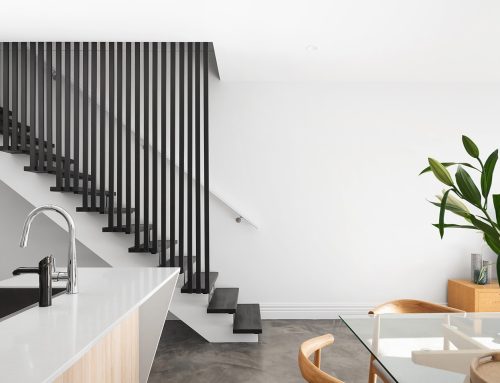
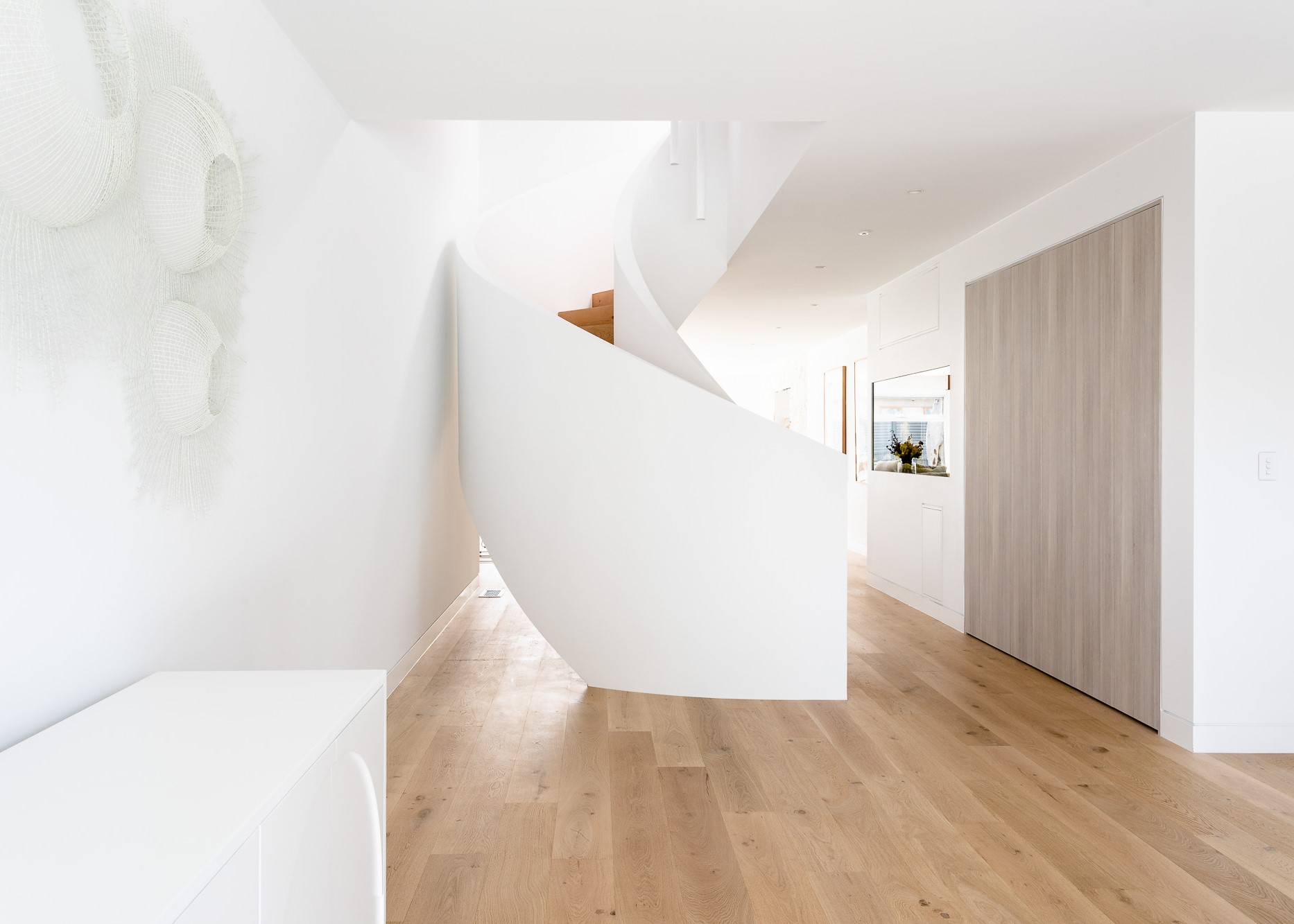
There are various staircase types you can consider. Straight flight stairs are simple and efficient, perfect for smaller spaces. If you have more room, a geometric staircase with curves adds elegance and can become a focal point. For a modern touch, floating stairs create an open and airy feel. Make sure your choice reflects your home’s overall aesthetic and functionality.
Choosing the Perfect Shape
The shape of your staircase plays a critical role in its design appeal. L-shaped stairs can add privacy to your upper levels, while a U-shaped design offers a compact footprint with a stylish look. If you’re aiming for a grand entrance, a spiral staircase provides a unique and dramatic effect. Consider how each shape fits into your available space and complements your design vision.
Impact of Space and Design
The space available will often dictate your staircase’s design. Tight areas benefit from compact designs like space-saving staircases. If space isn’t an issue, larger and more intricate designs can be explored. Remember, each choice impacts your home’s flow and functionality, so choose wisely to blend aesthetics with practicality.
Materials and Compliance

Choosing the right materials and ensuring compliance with building codes is crucial for safety and longevity.
Exploring Timber Options
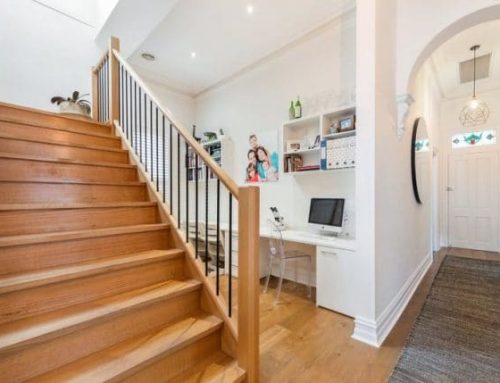
Timber is a popular choice for its warmth and versatility. Victorian Ash, Spotted Gum, and American Oak are renowned for their durability and beauty. Each type offers unique grain patterns and hues, providing a custom look that enhances your interior. Beyond aesthetics, timber choices significantly affect the staircase’s strength and maintenance needs.
Steel and Glass Considerations
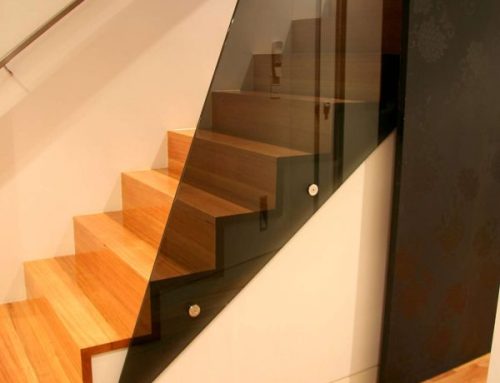
For a contemporary look, steel and glass are excellent materials. Steel spine stairs provide a sleek, industrial vibe and are incredibly durable. Glass balustrades offer an unobstructed view, adding a touch of luxury. Consider how these materials align with your design goals and their compatibility with other elements in your home.
Ensuring NCC/BCA Compliance
Compliance is non-negotiable. Ensuring your staircase meets NCC stair compliance and BCA stair regulations is vital for safety and legality. Engage a Registered Building Practitioner to guide you through these requirements, ensuring every aspect of your staircase is up to code and ready for use.
Finishes and Installation

The finish and installation process brings your staircase vision to life, affecting its long-term appeal and function.
Acoustic and Lighting Solutions
A well-lit staircase enhances safety and aesthetics. Consider installing LED lights under steps or along handrails for a modern touch. Additionally, acoustic solutions like carpet or noise-dampening strips can help reduce the sound of footsteps, crucial for multi-level homes.
Timelines and Project Management
Efficient project management ensures your staircase is installed seamlessly. Typical timelines range from 10 to 15 working days for standard projects and up to 6-8 weeks for complex designs. Coordinate closely with your contractor to align on schedules and avoid delays.
Aftercare and Maintenance Services
Once installed, proper maintenance keeps your staircase looking new. Regular cleaning and periodic inspections for wear and tear are essential. Many providers offer aftercare services to ensure your staircase remains in top condition, providing peace of mind and lasting beauty.
Frequently Asked Questions
What is the best material for a staircase?
Timber, steel, and glass are popular choices, each offering distinct benefits. Timber provides warmth and versatility, steel adds industrial strength, and glass offers a modern, luxurious touch.
How long does it take to install a staircase?
Standard staircases typically take 10 to 15 working days to install, whereas more intricate designs might require 6 to 8 weeks.
Do I need to comply with building codes for my staircase?
Yes, ensuring compliance with NCC and BCA codes is crucial for safety and legality. A Registered Building Practitioner can help navigate these requirements.
What are some lighting options for staircases?
LED lights under steps or along handrails enhance visibility and safety. They also add a modern aesthetic to your staircase design.
How should I maintain my staircase?
Regular cleaning and inspections for any damage are essential. Many companies offer aftercare services to help maintain your staircase’s condition over time.