

About the author : Melbourne Stairs

Safety First: Your Key Checklist for Staircase Compliance in Melbourne
Many staircases in Melbourne miss key safety marks without owners realising it. That puts families and visitors at risk and can lead to costly fixes down the track. Knowing the essentials of staircase compliance under NCC standards helps you avoid these pitfalls. Keep reading to get your safety checklist ready and ensure your Melbourne stairs are both stunning and safe. For more information, check out this guide on safe movement and access.
Understanding NCC Standards
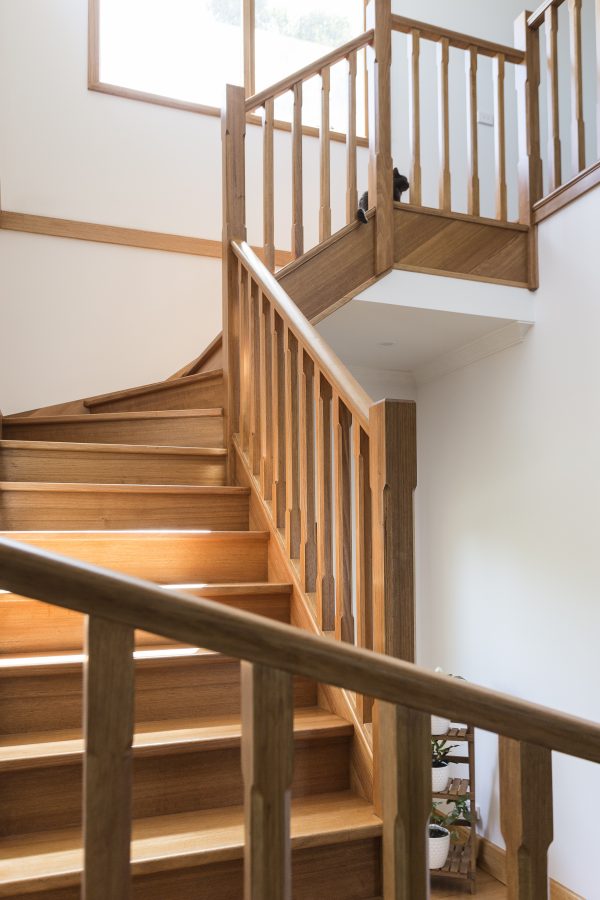
Navigating the National Construction Code (NCC) is crucial for ensuring your stairs are safe and compliant. Let’s dive deeper into why these standards matter and what they cover.
Importance of Staircase Compliance
Staircase safety isn’t just about avoiding accidents—it’s about peace of mind. Knowing your stairs are built to code means they’re safe for everyone who uses them. The NCC provides guidelines that help you achieve this. Not following them can lead to fines or worse, serious accidents. So, it’s key to ensure your stairs meet these standards.
For instance, the NCC outlines specific measurements, like riser heights and tread depths, to prevent trips and falls. The code also details handrail requirements, ensuring they are within reach and sturdy. By adhering to these guidelines, you protect your family and avoid costly renovations later.
Key Elements of the NCC
The NCC covers various aspects critical to staircase safety. These include dimensions, handrail specifications, and load-bearing capacities. It’s essential to know these elements to ensure your stairs are up to scratch.
Start with risers and treads. The code dictates that risers should not exceed 190mm, and tread depths should be no less than 240mm. Handrails are another focus—must be at least 865mm above the nosing of the stair tread. These precise measurements are what keep stairs safe and functional. For more detailed compliance specifications, explore this comprehensive guide.
Melbourne Stairs Safety Checklist

To ensure your stairs meet the NCC standards, having a safety checklist is invaluable. This guide highlights essential features while warning about common pitfalls.
Essential Safety Features
A safe staircase is a combination of several key features. Focus on the right dimensions and sturdy materials to avoid accidents.
-
Riser and Tread Compliance: Check that the risers and treads follow NCC guidelines. Even small deviations can be dangerous.
-
Handrails: Ensure they are sturdy and at the correct height to provide adequate support.
-
Non-Slip Surfaces: Use materials that offer good grip to prevent slips, especially in wet conditions.
These features ensure safety and prevent accidents. Regularly inspect your stairs for wear and tear to maintain these standards.
Common Compliance Pitfalls
Even a small oversight can lead to big problems when it comes to staircase compliance. Let’s explore some common issues and how to avoid them.
One frequent mistake is inadequate lighting. Proper illumination is vital for safety but often overlooked. Another issue is the incorrect installation of handrails, which can compromise safety. Ensuring all parts of your stairs meet the NCC standards is crucial to avoid these pitfalls.
Ignoring these details can lead to costly repairs or, worse, accidents. Regular checks and professional input can help you keep your stairs in top condition. For more on compliance, visit this resource on stair safety.
Designing Your Custom Staircase
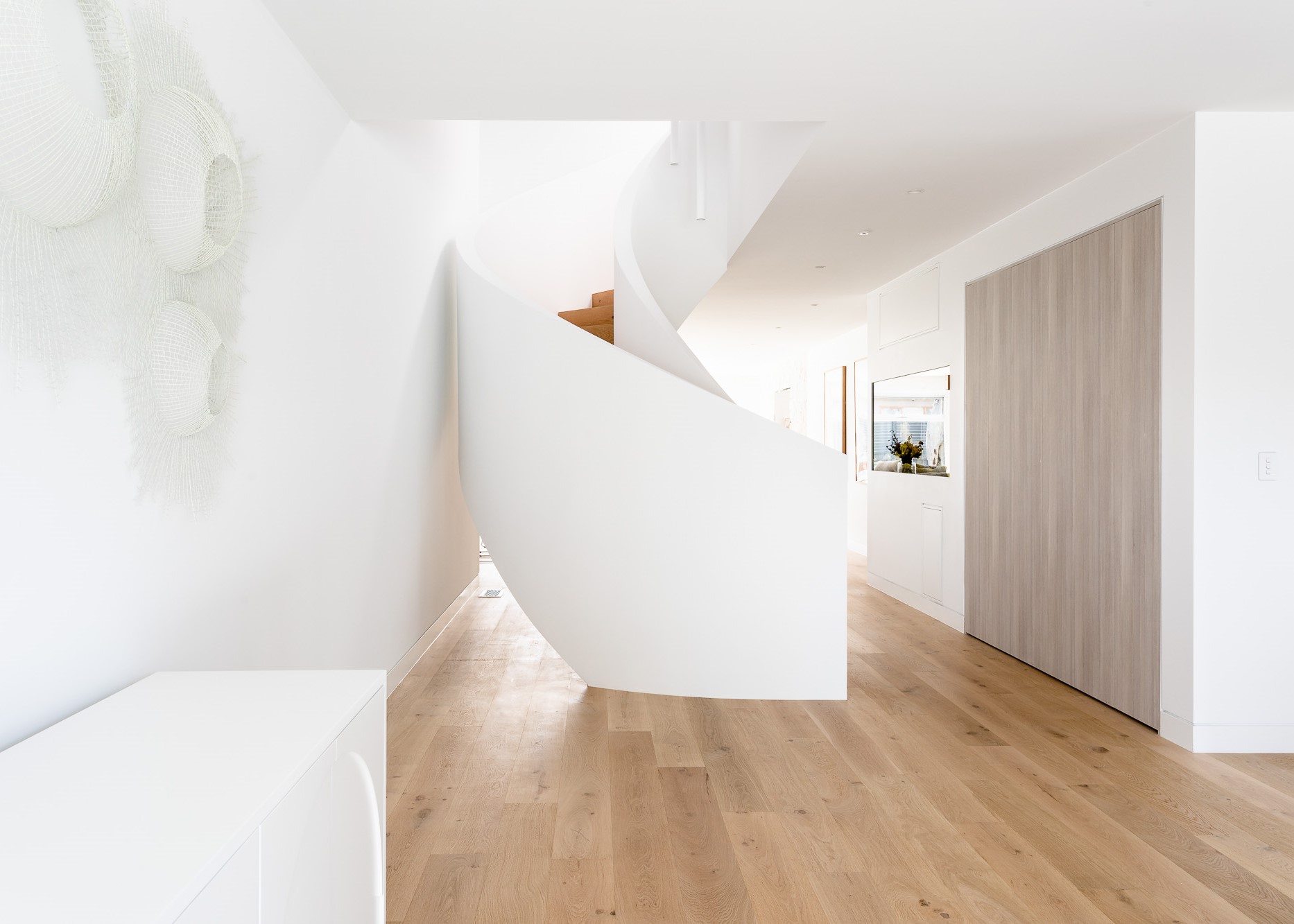
Your staircase is more than just a way to move between floors; it’s a design statement. How can you make it safe while also reflecting your style?
Material Choices and Compliance
Choosing the right materials is crucial for both aesthetics and safety. Premium materials can enhance your space while ensuring compliance with the NCC.
Wood, metal, and glass are popular choices. Each offers unique benefits. For example, timber provides warmth, while metal offers a modern look. But beyond appearances, each material has its specific compliance needs. Ensuring these are met is essential—poor choices can lead to non-compliance and safety hazards.
Consider the climate and usage of your space when selecting materials. Durability is just as important as aesthetics, especially in high-traffic areas.
Ensuring Aesthetic and Functional Harmony
Your staircase should be a perfect blend of style and functionality. Achieving this requires careful planning and expert input.
Begin by aligning your staircase design with the overall theme of your home. Whether you prefer sleek modern lines or classic curves, there’s a design for you. But remember, aesthetics should not compromise safety. The right design enhances your space and ensures it remains safe and compliant.
Engage professionals to help you strike this balance. They can guide you on design choices that fulfill both aesthetic desires and compliance needs. By doing so, you ensure that your staircase is not only beautiful but also a safe part of your home.
Contact us today for a free consultation and make sure your Melbourne stairs are both stunning and compliant! 🏠✨
For a deeper dive into the intricacies of staircase compliance, explore this detailed compliance checklist.


