

About the author : Melbourne Stairs

Many homeowners and builders overlook crucial staircase safety features until a close call forces attention. Missing simple details like balustrade height requirements or non-slip nosing can turn your beautiful staircase into a hazard. This post highlights seven essential staircase safety points you need to check now to keep your home safe and fully NCC compliant. Ready to make safety look stunning? Let’s start with what often goes unnoticed. For more insights, check out this article.
Overlooked Staircase Safety Essentials
Before diving into the intricacies of staircase safety, it’s crucial to understand the basics. From balustrade height to riser gaps, let’s explore the essential aspects that often go unnoticed.
Balustrade Height and Riser Gaps
The first line of defence in staircase safety is ensuring the right balustrade height. A balustrade that’s too low can be risky, especially for children. The recommended height helps prevent falls and provides support. Many people are unaware that this isn’t just about aesthetics; it’s a crucial safety measure.
Riser gaps also play a pivotal role. Large gaps can pose a danger to children, who might slip through. Keeping these gaps within the recommended limits ensures safety for everyone using the stairs. It’s not just about compliance; it’s about peace of mind.
Handrail Profile and Grip
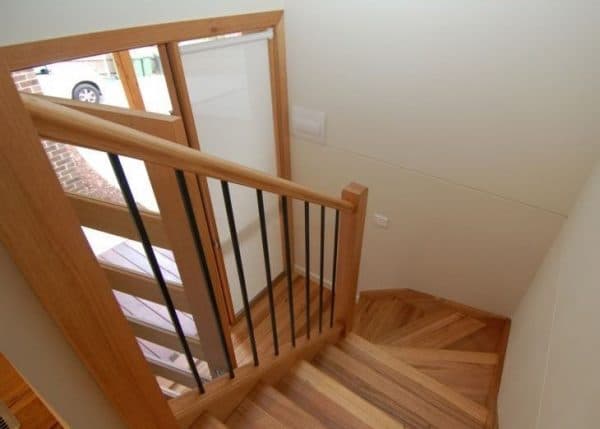
Handrails are more than a decorative element. Their profile and grip determine how safely you ascend or descend. A well-designed handrail provides a firm grip, reducing the risk of slips and falls. The profile should fit comfortably in your hand, making it easy to hold on.
When selecting a handrail, consider the material too. A smooth, non-slippery surface is ideal. It’s surprising how often this detail is overlooked, yet it’s one of the simplest ways to enhance safety on your stairs.
Enhancing Tread and Visibility
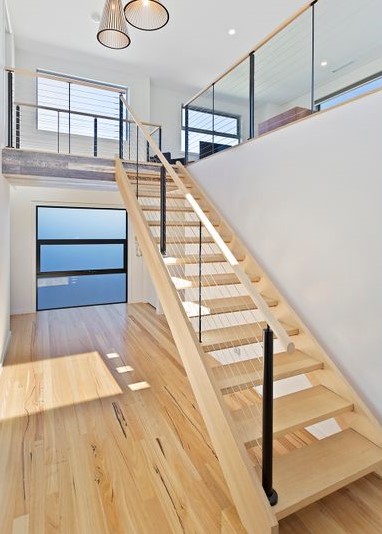
Next up is improving the tread and visibility on your stairs. These two elements are critical in preventing accidents and ensuring a safe passage.
Non-slip Nosing and Slip Resistance
One of the most effective ways to prevent slips is by installing non-slip nosing. This small addition can make a big difference, especially in homes with young children or elderly residents. The nosing provides extra grip, reducing the likelihood of falls.
Slip resistance goes beyond nosing. The entire tread surface should be non-slip. This is especially important in areas prone to moisture or where shoes might be wet. Don’t underestimate the importance of a slip-resistant tread; it could be a lifesaver.
Stair Lighting and Visibility
Proper lighting is crucial for stair visibility. Poor lighting can lead to accidents, especially in dimly lit areas. Ensure your stairs are well-lit, highlighting each step clearly. This can be achieved with overhead lights or integrated step lighting.
Visibility is not just about lighting; it’s also about colour contrast. Steps that are easy to see help prevent missteps. Consider using contrasting colours for the tread and risers. This simple change enhances safety and adds to the aesthetic appeal of your staircase.
Child Safety and Compliance Standards
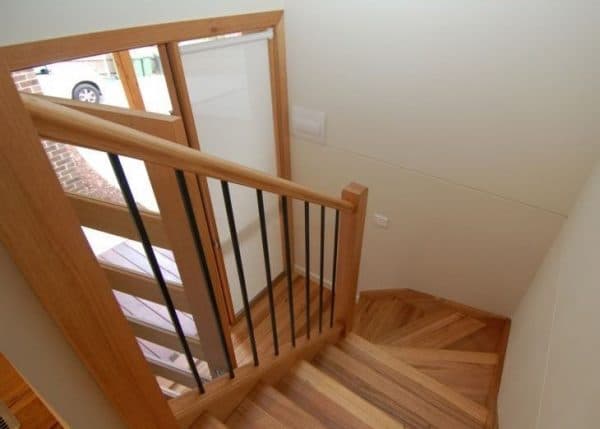
A discussion on staircase safety wouldn’t be complete without addressing child safety and compliance standards. These elements ensure that your home is safe for the youngest members of your family.
NCC and BCA Compliant Stairs
Compliance with NCC and BCA standards is non-negotiable. These standards set the groundwork for safe stair design, ensuring everything from riser gap rules to handrail heights meet safety requirements. Adhering to these standards not only protects your family but also ensures your home is up to code.
Many think compliance is all about paperwork, but it’s your home’s assurance of safety. Ignoring these standards can lead to costly modifications down the line, especially during property sales or inspections.
Glass Balustrade and Timber Staircases Melbourne
In Melbourne, glass balustrades and timber staircases are popular choices. But are they safe? When designed and installed correctly, they certainly are. Glass balustrade compliance ensures that the glass is toughened and safe for all users.
Timber staircases, a favourite for their aesthetic appeal, can be both beautiful and safe. Choosing the right wood and ensuring proper installation is key. Remember, it’s not just about style; it’s about creating a safe environment for everyone.
In conclusion, staircase safety is about more than just meeting regulations. It’s about ensuring peace of mind for your family and visitors. Whether you’re considering a new staircase or updating an existing one, prioritise these safety features. Your home’s safety is an investment worth making.
🌟✨🏠
For further information on overlooked safety features, you can check out this article and this expert opinion.
Remember, these adjustments don’t just ensure safety; they also enhance the beauty and value of your staircase. If you’re ready to explore custom staircase designs that combine safety with stunning aesthetics, consider consulting with Melbourne Stairs for an expert touch.


