

About the author : Melbourne Stairs

Custom staircases Melbourne are more than just a way to get from one floor to another—they set the tone for your entire home. Planning yours means juggling design, safety, and style to fit your space and lifestyle. In this post, you’ll learn what every homeowner in Melbourne must consider before choosing materials, layouts, and balustrades. Ready to start? Contact Melbourne Stairs to book your on-site measure and design consult today.
Key Steps for Custom Staircases
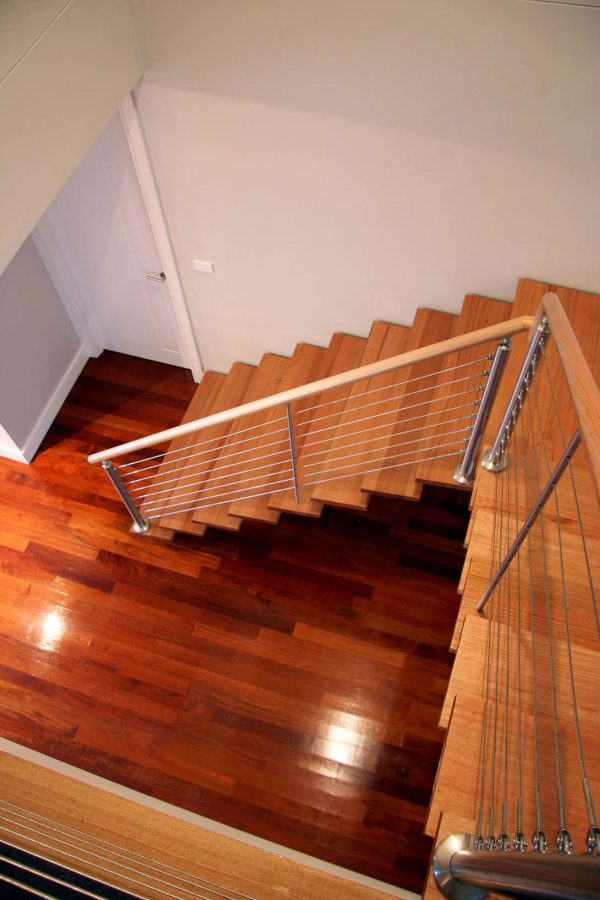
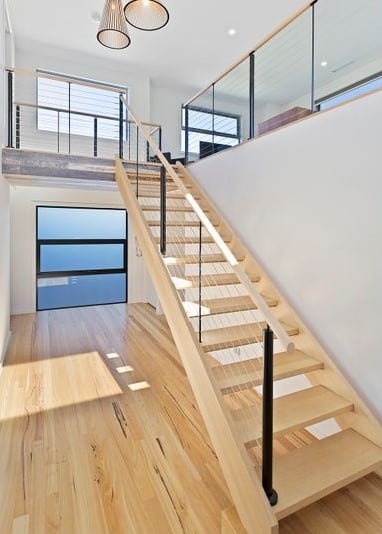
Creating a custom staircase involves a few crucial steps to ensure it blends perfectly with your home. Here’s what you need to know to get started on the right foot.
On-Site Measure and Consult
The first and most important step in planning your staircase is getting an on-site measure and consult. This consultation lets professionals assess your space, discuss your vision, and understand your needs. It’s your chance to ask questions about design possibilities and receive expert advice. During the measure, the team takes precise measurements to ensure your staircase fits perfectly. They also help you visualise different styles, materials, and configurations that suit your home’s layout. This step ensures your staircase meets your expectations and fits your space perfectly.
Design and Material Choices
Selecting the right design and materials is crucial for a stunning staircase. Think about the style that suits your home—whether it’s traditional or modern. You’ll have a variety of materials to choose from, including timber, steel, and glass. Timber offers warmth and classic appeal, while steel and glass provide a sleek, contemporary look. The choice of materials will significantly impact the aesthetic and feel of the staircase. Consider how each option complements your home’s existing decor before making a decision.
Compliance with Australian Standards
Safety should be a top priority when designing your staircase. It’s essential to ensure full compliance with Australian standards, including the NCC/BCA. This includes meeting requirements for balustrade heights, riser gaps, and handrail specifications. Compliance not only keeps your family safe but also adds value to your property. Working with a Registered Building Practitioner in Victoria guarantees adherence to these standards, ensuring your staircase is both beautiful and safe.
Design Choices for Melbourne Homes
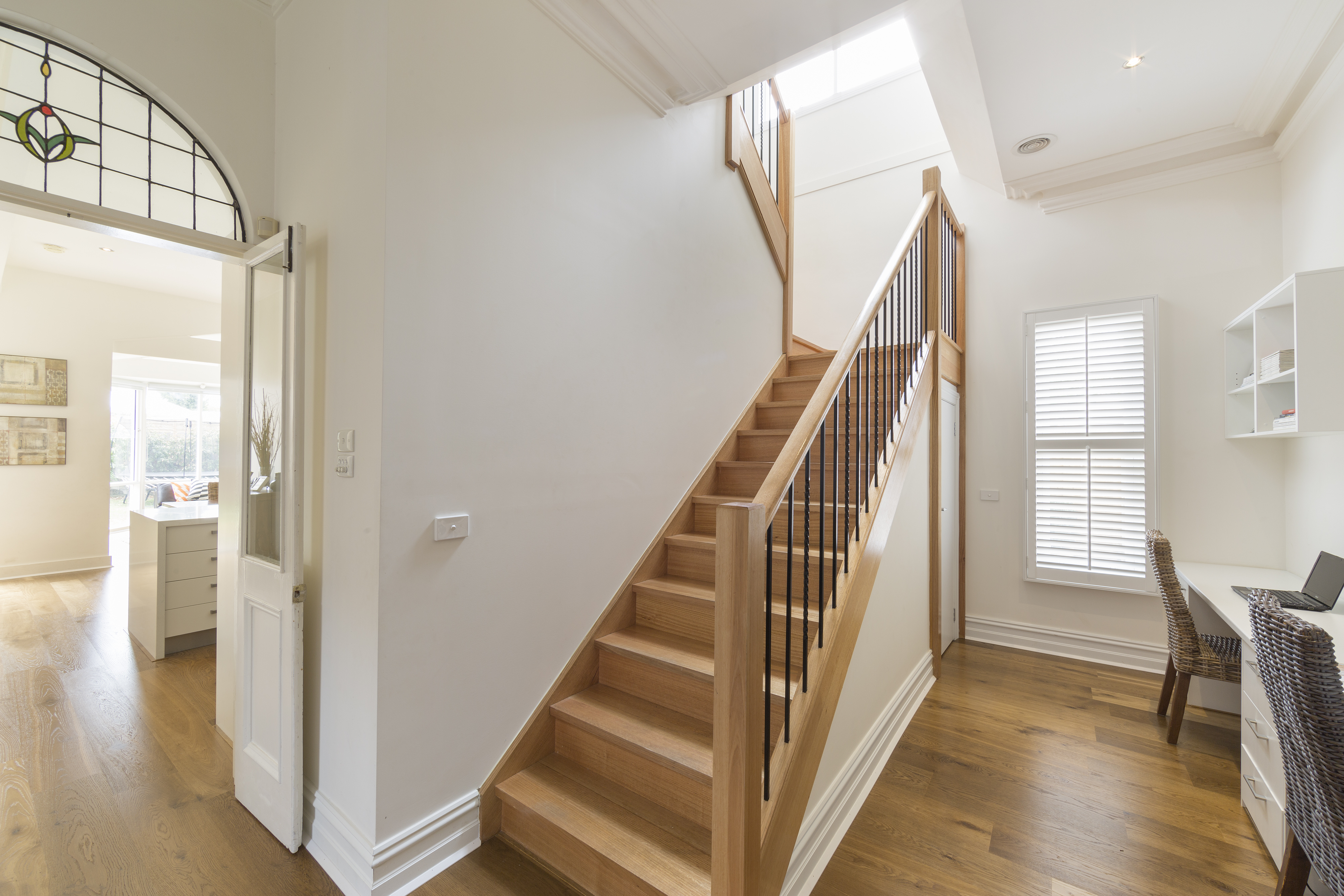
Melbourne homeowners have unique tastes and preferences when it comes to staircases. Here’s how you can find the perfect fit for your home.
Timber Options: Victorian Ash to American Oak
When it comes to timber stairs in Melbourne, the choices are plentiful. Victorian Ash and American Oak are two popular options. Victorian Ash is known for its light, warm tones, making it perfect for brightening spaces. Meanwhile, American Oak offers a rich and elegant look with its distinct grain patterns. Both types of timber are durable and can be tailored with different finishes to match your home’s style. Consider the existing colour scheme and lighting in your space when choosing your timber.
Contemporary Designs: Floating and Cantilever Stairs
If you’re after a modern look, floating stairs and cantilever stairs are stunning options. Floating stairs give the illusion of steps suspended in mid-air, enhancing open-plan spaces. They’re ideal for homes looking to achieve a minimalist aesthetic. Cantilever stairs, on the other hand, are anchored at one end, creating a dramatic and eye-catching effect. These designs not only provide structural integrity but also allow light to flow through, making them perfect for contemporary homes.
Balustrade and Handrail Selections
Balustrade design in Melbourne is a crucial element that completes your staircase. Options include glass for a modern and unobstructed view, or metal and timber for a more traditional feel. Handrails can be customised as well, with choices ranging from sleek steel to classic timber. When deciding, consider how the balustrade and handrail will interact with the rest of your home’s design. A well-chosen balustrade can turn your staircase into a stunning focal point.
Engaging a Professional Stair Builder
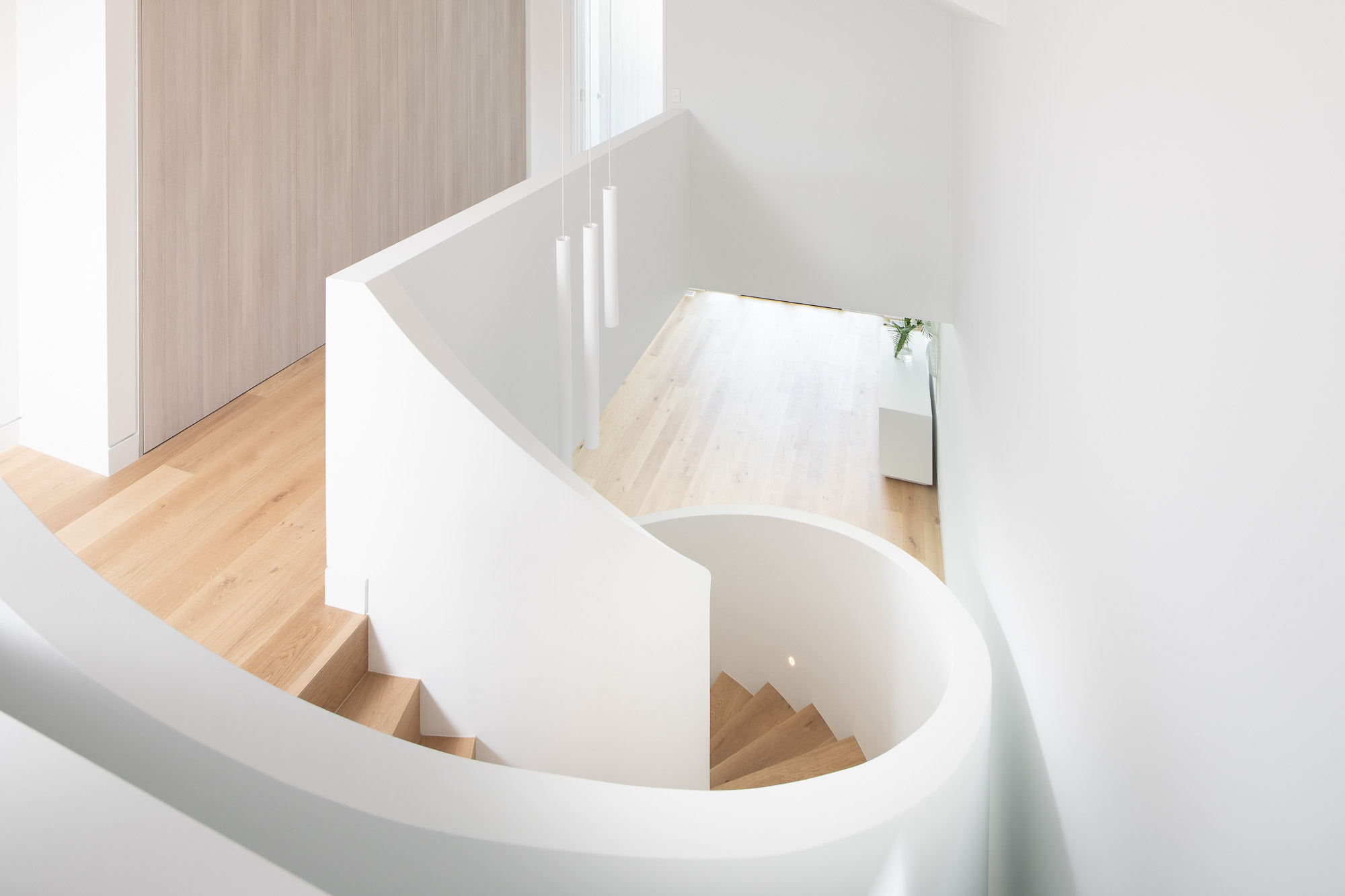
Choosing the right stair builder is vital for a seamless installation process. Here’s how you can benefit from professional expertise.
Choosing the Right Stair Builder Melbourne
Finding the right stair builder in Melbourne is key to achieving your dream staircase. Look for builders with a solid reputation and proven experience. A family-owned business like Melbourne Stairs offers personalised service and a commitment to quality. Ensure they have a portfolio that showcases a range of styles and materials to match your vision. A good builder will listen to your ideas, provide expert advice, and keep you informed throughout the project.
Benefits of a Registered Building Practitioner Victoria
Hiring a Registered Building Practitioner in Victoria brings peace of mind. They ensure your staircase complies with all necessary regulations, from design to installation. This means your staircase will be both safe and durable, reducing the risk of future issues. A registered practitioner also provides a guarantee of workmanship, so you can trust in the quality and longevity of your staircase. Their expertise ensures that every detail is meticulously executed.
Booking an Installation with Melbourne Stairs
Once you’ve chosen your design and materials, it’s time to book your installation with Melbourne Stairs. They offer a reliable timeline, ensuring your project moves smoothly from start to finish. From the initial consultation to the final installation, their team provides professional and friendly service. With a focus on precision and quality, Melbourne Stairs ensures your staircase not only meets but exceeds your expectations, creating a stunning feature in your home.
Frequently Asked Questions
What are the benefits of a custom staircase?
A custom staircase offers unique design possibilities tailored to your space, enhancing your home’s aesthetic and value. It allows for choosing specific materials and styles that perfectly match your taste and interior.
How long does it take to install a custom staircase?
Installation timelines vary depending on the complexity of the design. Typically, Melbourne Stairs completes average plans within 10-15 working days, while more intricate designs like geometric staircases may take 6-8 weeks.
What should I consider when choosing staircase materials?
Consider the overall style of your home, your budget, and maintenance requirements. Timber like Victorian Ash or American Oak offers warmth, while steel and glass provide a modern look. Each material has different strengths and aesthetic qualities.
Why is compliance with Australian standards important?
Compliance ensures the safety and quality of your staircase, protecting occupants and maintaining property value. It involves adhering to regulations on balustrade heights, riser gaps, and handrail specifications.
Can I view my staircase design before it’s built?
Yes, Melbourne Stairs provides AutoCAD shop drawings as part of the design process. These allow you to see a detailed preview of your staircase and make any necessary adjustments before construction begins.
Before You Build: What Melbourne Homeowners Should Know About Custom Staircases
Planning a custom staircase in Melbourne means more than picking a style you like. You need to consider space, safety rules, materials, and timing to avoid costly delays. Whether you’re after timber stairs Melbourne or sleek steel spine stairs, getting these details right ensures your staircase fits your home and meets building standards. Keep reading to learn what every homeowner should know before starting their staircase project. [https://www.melbournestairs.com.au/planning-a-custom-staircase-in-melbourne-10-things-homeowners-should-know/]
Space and Compliance Essentials
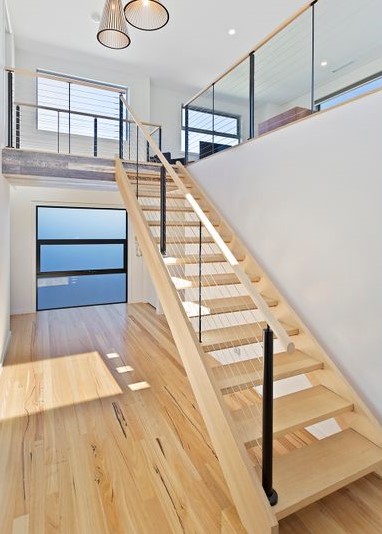
Choosing the right staircase involves more than just aesthetics. It requires careful planning around space and compliance to ensure both functionality and safety.
Planning Your Staircase Space
The first step in designing your staircase is understanding the space it will occupy. Measure the area where the staircase will sit. Consider the height from floor to ceiling, the floor plan, and any nearby obstructions. A well-planned staircase maximises your home’s layout. It’s not just about fitting a staircase but creating a seamless flow through your home. With precise planning, you can avoid common issues like awkward landings or cramped spaces. Most people think only about the style, but space planning is the real key.
Understanding NCC/BCA Regulations
Compliance with the National Construction Code (NCC) and Building Code of Australia (BCA) regulations is non-negotiable. These codes ensure your stairs meet safety standards. Regulations cover everything from the height and depth of each step to the placement of handrails. It’s essential to understand these rules before starting your project. By doing so, you avoid costly revisions and ensure your staircase is safe for everyone. Ignoring these regulations isn’t worth the risk. Knowledge of these can save you time and money in the long run.
Ensuring Safety and Compliance
Safety should always be a priority. A well-designed staircase not only looks beautiful but also provides a safe passage between floors. Consider installing sturdy handrails and using slip-resistant materials. Ensure there is adequate lighting to prevent accidents. Safety features should blend seamlessly with your design choices. Remember, a staircase is as much about function as it is about form. Most people focus on looks, but safety is where true value lies.
Design and Material Choices
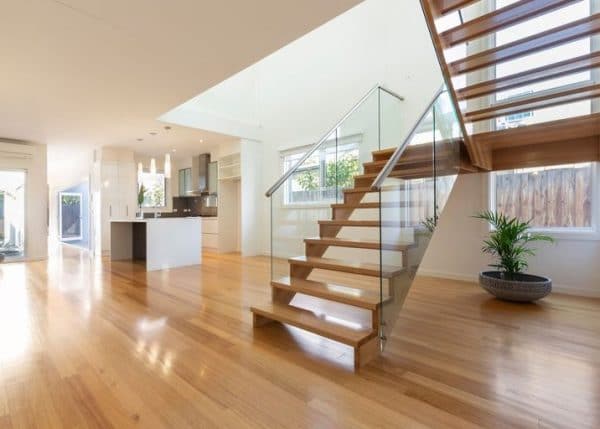
Once you’ve sorted out space and compliance, the next step is design and materials. These elements bring your staircase to life and reflect your style.
Exploring Style Options
You have a world of styles to choose from. Whether you prefer the classic look of Federation stairs or the modern sleekness of a floating design, there’s something for everyone. Each style offers unique benefits. Floating stairs create an open feel, while a traditional design might add a touch of elegance. It’s about finding what resonates with you and complements your home. Exploring these options opens up endless possibilities, allowing your staircase to become a focal point in your home.
Choosing the Right Materials
Materials significantly impact the appearance and durability of your staircase. Common choices include timber, steel, and glass. Timber offers warmth and character, with options like Victorian Ash and Spotted Gum being popular. Steel spine stairs offer a modern edge, while glass balustrades enhance light and space. Your choice should align with your home’s design and your practical needs. Don’t overlook the maintenance each material requires. A well-chosen material can elevate both the look and feel of your home.
Considering Acoustics and Lighting
Acoustics and lighting play crucial roles in staircase design. Hard materials can amplify noise, so consider adding carpets or rugs for a quieter ascent. Lighting enhances safety and ambiance. Consider LED strips or pendant lights to highlight the stairway. The right lighting can transform your staircase from a functional feature to a stunning showcase. Don’t underestimate the power of light and sound in your design. They are essential for both practicality and style.
Project Timelines and Costs
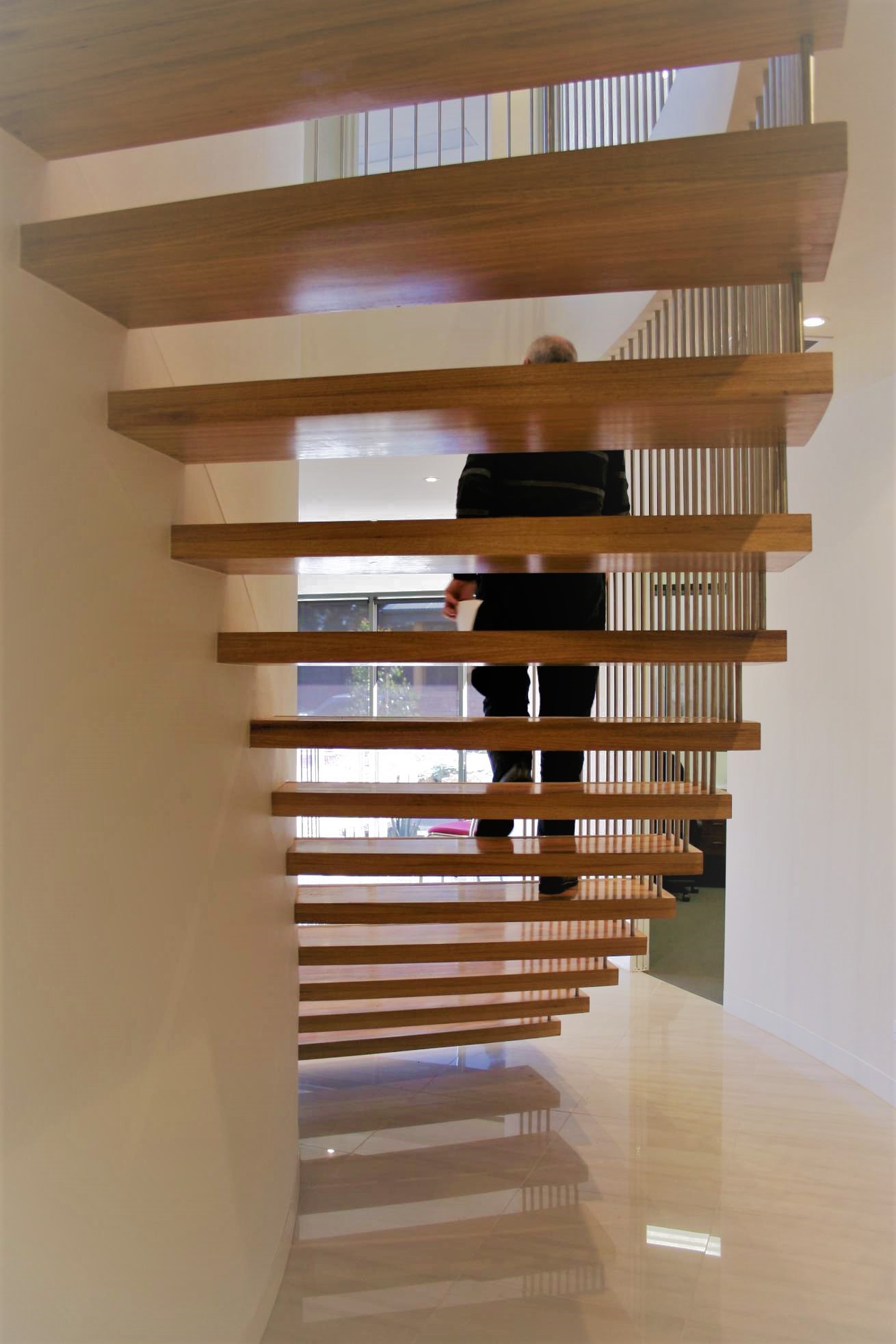
Finally, understanding timelines and costs ensures your project stays on track and within budget.
Understanding Cost Drivers
Several factors influence the cost of building a staircase, including materials, design complexity, and labour. Custom features like intricate handrails or unique designs can increase costs. It’s important to set a realistic budget and stick to it. Keep in mind, while cutting corners might save money upfront, it could lead to higher costs later. Investing in quality craftsmanship ensures longevity and satisfaction. Remember, it’s not just about the price tag, but the value you receive.
Planning Your Project Timeline
Effective planning is key to a smooth project timeline. Start by securing permits and approvals early. Coordinate with your builder to schedule measurements and installation. Be prepared for potential delays and plan accordingly. Knowing what to expect during the process helps you manage time effectively. The longer you wait to start, the more delays might arise. Being proactive keeps your project moving forward and on schedule.
Booking Your On-Site Consult
The next step in your staircase journey is booking an on-site consultation. This allows experts to assess your space, discuss design options, and provide accurate quotes. A consultation ensures your vision aligns with practical considerations. It’s your chance to ask questions and gain insights from professionals. Don’t delay in arranging this critical step. The sooner you book, the closer you are to bringing your dream staircase to life.
Frequently Asked Questions
What are the common materials used for custom staircases?
Common materials include timber, steel, and glass. Timber, such as Victorian Ash and Spotted Gum, provides warmth and elegance. Steel offers a modern look, while glass enhances light and space.
How do I ensure my staircase meets safety regulations?
Ensure compliance with NCC/BCA codes by consulting with professionals. They will guide you through regulations on step dimensions, handrails, and more, ensuring a safe and compliant staircase.
What factors influence the cost of a custom staircase?
Costs are driven by material choice, design complexity, and labour. Custom features and intricate designs may increase expenses. Setting a realistic budget helps manage costs effectively.
Why is lighting important in staircase design?
Lighting enhances both safety and aesthetics. Proper lighting prevents accidents and highlights the staircase’s design, turning it into a stunning feature.
How long does it typically take to install a custom staircase?
Installation timelines vary based on design complexity. Average designs may take 10-15 working days, while geometric designs could take 6-8 weeks. Early planning helps keep your project on schedule.


