

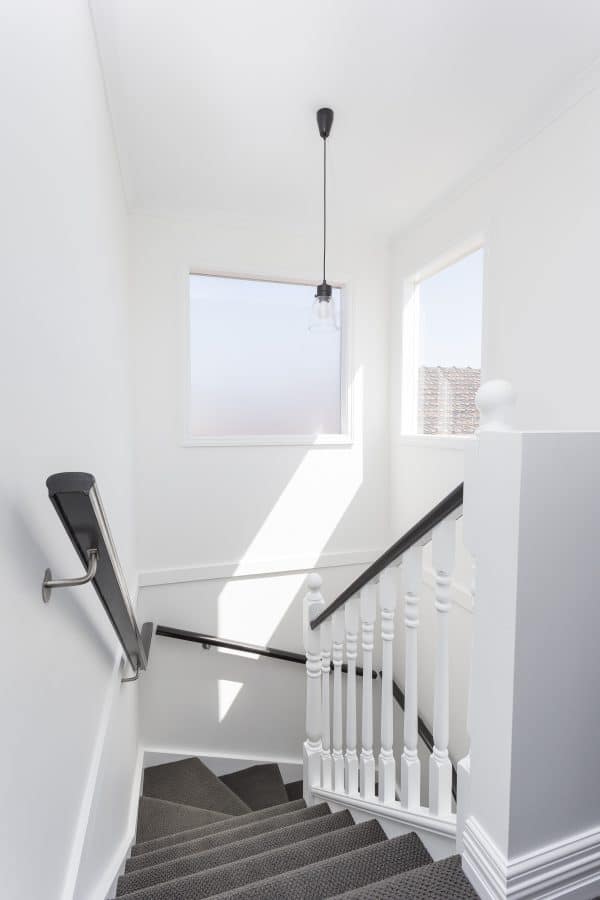
About the author : Melbourne Stairs

Choosing the right staircase for your Melbourne renovation isn’t just about looks or ticking boxes. It’s about finding a design that fits your style while meeting strict NCC BCA stair compliance. At Melbourne Stairs, we guide you through every step, from on-site measurements to expert design consultations, ensuring your new staircase enhances your home’s appeal and safety. Read on to learn how to pick the perfect staircase that blends craftsmanship with compliance. For more insights, visit Melbourne Stairs.
Choosing the Right Staircase
Understanding Style and Compliance
Selecting a staircase involves blending personal style with essential safety standards. The right staircase not only enhances your home’s aesthetic but also meets the NCC/BCA requirements for safety and compliance. This balance is crucial in creating a lasting impression while ensuring your staircase serves its purpose securely.
When considering style, think about the overall theme of your home. Do you lean towards a traditional look, or does a modern design appeal to you? Each choice brings a unique character to your space. At the same time, understanding the compliance aspect means knowing the rules for riser gaps, handrail heights, and balustrade designs. A misstep here could lead to costly adjustments later.
Exploring Material Options
Choosing the right materials sets the foundation for both style and durability. Popular choices like timber, steel, and glass each offer distinct benefits. Timber stairs, using materials like Victorian Ash or Spotted Gum, bring warmth and natural beauty. Steel spine stairs are great for a contemporary touch, offering sleek lines and a modern feel. Glass balustrades can open up space, adding a sense of openness and light.
For those looking for a touch of elegance, timber stairs in shades like American Oak provide a classic feel that complements many interiors. Glass elements can highlight this choice, creating a floating effect that enhances modern designs. Remember, each material not only impacts the look but also the maintenance and longevity of your staircase.
Selecting a Staircase Form
Deciding on a staircase form involves both style preferences and practical considerations. Straight flight stairs offer a straightforward, clean look, perfect for minimalistic designs. If your space calls for something more dynamic, consider a cantilever or floating stairs for their striking appearance and clever use of space.
For those facing space constraints, spiral or geometric designs can be a fitting solution. These forms not only maximize available space but also add an architectural interest to your home. Each form requires careful planning to ensure it fits seamlessly within your home’s layout, while still maintaining ease of movement and safety.
Ensuring Compliance with NCC/BCA
Key Compliance Requirements
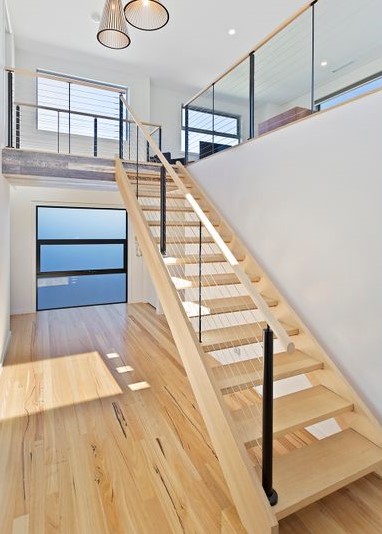
Meeting compliance requirements ensures that your staircase is safe and functional. The NCC/BCA lays out clear guidelines on riser heights, tread depths, and handrail specifications that every staircase must follow. Understanding these requirements is crucial for avoiding potential pitfalls during installation.
For instance, each step’s riser must be uniform to prevent tripping. Handrails should be at a height that supports users of all ages. Compliance not only protects users but also adds value to your home, making it a smart investment in both safety and property appeal.
Balustrade and Handrail Considerations
Balustrades and handrails are not just safety features; they’re integral design elements. Choosing the right style and material can significantly impact the overall look of your staircase. Whether you opt for timber, metal, or glass, each offers unique aesthetic and functional benefits.
Balustrades must adhere to specific height regulations to ensure safety. Explore different styles like deluxe timber or sleek metal for a modern edge. Glass balustrades can enhance visibility and light, creating a seamless integration with your existing design. Each choice should complement both your staircase and the surrounding décor.
Safety and Structural Integrity
The integrity of your staircase is crucial for long-term safety. Ensuring that your staircase is structurally sound involves more than just meeting compliance standards. It requires careful planning and precise execution, from the initial design stage to final installation.
Regular maintenance checks and quality materials contribute to the longevity and safety of your staircase. Collaborating with professionals who prioritize both craftsmanship and compliance guarantees a result that is both beautiful and secure. This approach helps prevent accidents and maintains your staircase’s aesthetic appeal.
Engaging Melbourne Stairs for Custom Solutions
Benefits of On-Site Measures
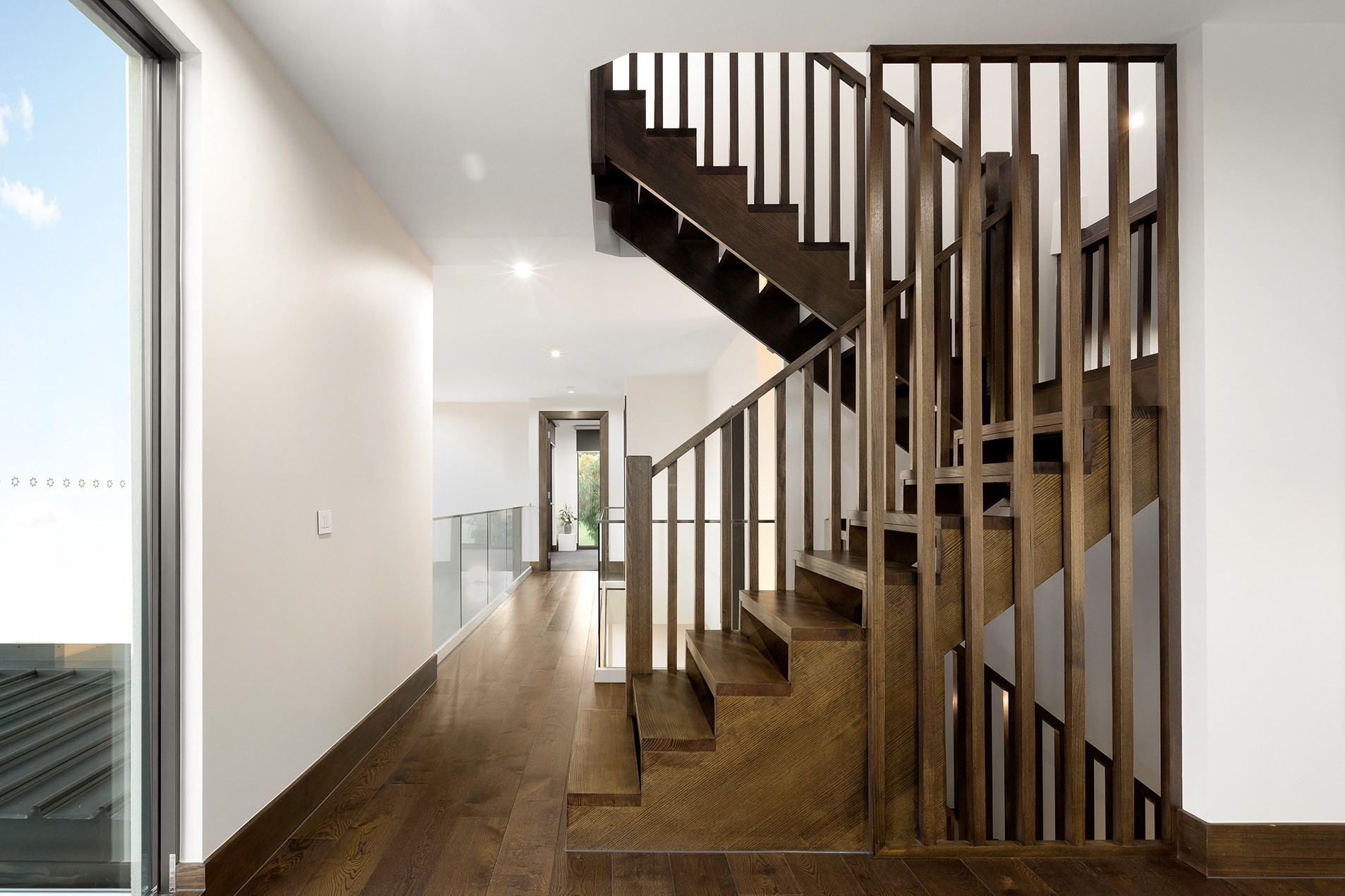
On-site measurements are vital for a custom staircase solution tailored to your space. This step ensures accuracy in design and installation, reducing the likelihood of errors. Professional measurements take into account every nuance of your space, from ceiling heights to floor levels.
Accurate measurements mean that your staircase will fit perfectly, eliminating potential installation issues. This precise approach is the foundation of a flawless end result, ensuring that your staircase is both visually appealing and functional.
Design Consultation Process
A design consultation is your opportunity to bring your vision to life. Melbourne Stairs offers a collaborative process that involves understanding your style preferences, functional needs, and budget considerations. This approach ensures that your final staircase is a perfect blend of form and function.
During the consultation, you’ll explore various design options and materials, guided by experts with extensive experience. This collaborative strategy not only enhances the design process but also guarantees a result that fulfills your expectations and enhances your home’s value.
Quality Craftsmanship with CNC Precision
Precision is key in staircase construction, particularly when striving for high-quality results. Melbourne Stairs utilizes CNC technology to achieve exact specifications, ensuring each component fits seamlessly. This precision craftsmanship results in a polished finish that stands the test of time.
CNC technology allows for intricate designs and flawless execution. By incorporating traditional craftsmanship with modern technology, Melbourne Stairs delivers staircases that are both visually striking and structurally sound, providing a lasting investment in your home’s aesthetic and safety.
Frequently Asked Questions
What materials are best for a custom staircase?
Timber, steel, and glass are popular choices for custom staircases. Timber like Victorian Ash and Spotted Gum offers classic beauty, while steel provides a modern touch. Glass elements can enhance light and space.
How do I ensure my staircase meets compliance requirements?
Compliance involves adhering to NCC/BCA guidelines on riser heights, treads, and handrails. Working with professionals who understand these regulations ensures your staircase is both safe and compliant.
What is the average timeline for installing a custom staircase?
The timeline depends on the design complexity. Straightforward designs may take less time, while intricate geometric designs can take longer. On average, expect a timeframe of 10-15 days for standard installations.
Why is CNC precision important in staircase construction?
CNC precision ensures exact specifications, resulting in a flawless fit. This technology allows for intricate designs and enhances the overall craftsmanship, ensuring a high-quality, durable staircase.
Can I customise the design of my staircase?
Yes, customisation is central to creating a staircase that fits your unique style and space. Through design consultations, you can choose from various materials and forms to achieve your desired look.


