

About the author : Melbourne Stairs

Custom staircases do more than connect floors—they set the tone for your whole home or build. Choosing the right materials shapes the look, feel, and durability of your stairs. In this staircase materials guide, you’ll find clear insights on timber, steel, glass, and compliance essentials that matter in Greater Melbourne. Ready to explore options that suit your style and meet NCC BCA standards? Keep reading to see how Melbourne custom stairs can bring your vision to life.
Popular Staircase Materials
The journey to creating your ideal staircase begins with choosing the right materials. Each offers unique aesthetics and benefits, making it essential to understand your options.
Timeless Timber Choices
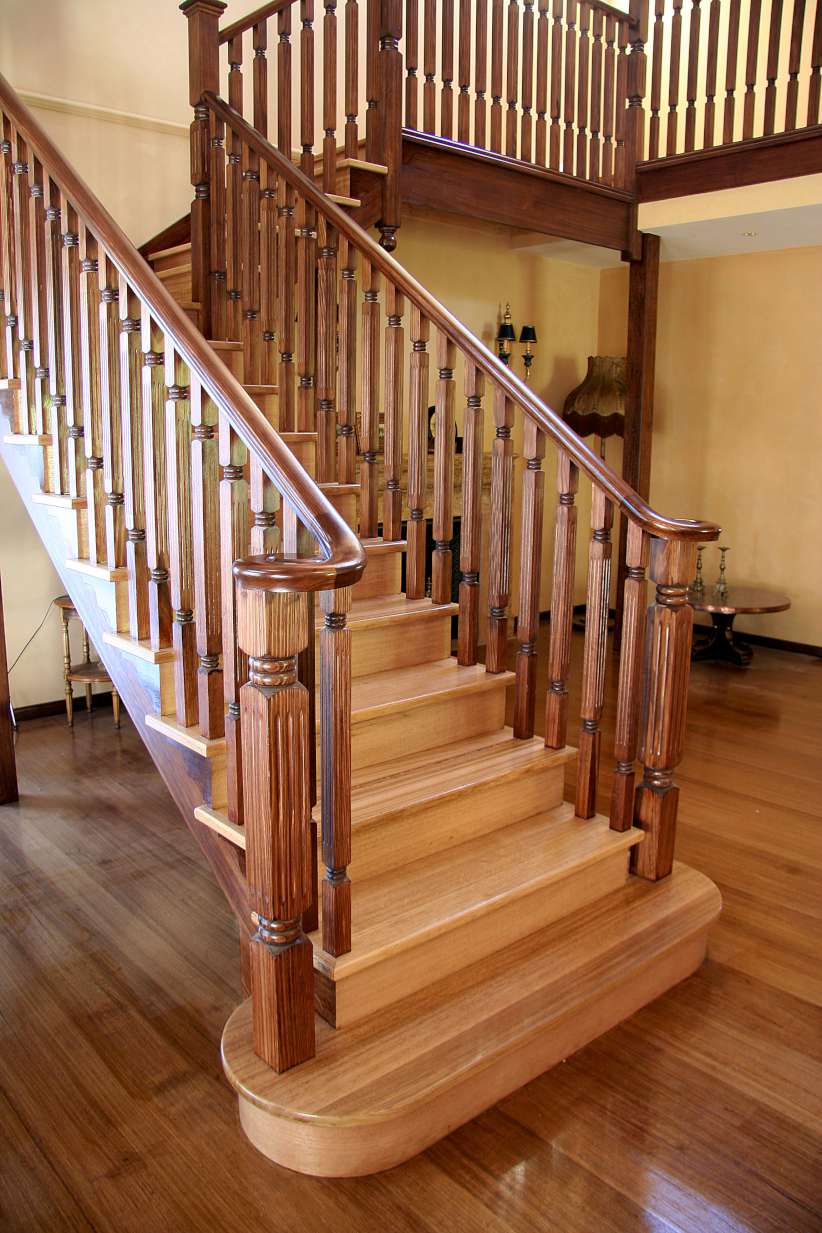
Timber stairs bring warmth and elegance to any home. Each type of wood has distinct characteristics. Victorian Ash is popular in Melbourne for its light colour and durability. It’s a versatile choice that complements both traditional and modern interiors. Spotted Gum offers a rich, dark hue, adding a touch of luxury to your staircase. Its natural resistance to wear makes it ideal for high-traffic areas. If you prefer a classic look, American Oak might be your go-to. Its fine grain and pale tones suit minimalist and rustic designs alike.
When selecting timber, consider how the colour will mesh with your existing finishes. Timber’s natural variations mean no two pieces are identical, offering a unique appeal. Remember, maintenance is key to preserving its beauty.
Modern Metal Solutions
For a sleek, contemporary aesthetic, metal stairs stand out. Steel spine staircases are a popular choice in Melbourne. They provide robust support while maintaining an airy feel. If you’re after a minimalist design, floating stairs deliver. Their cantilevered steps seem to defy gravity, creating a striking visual effect. Consider incorporating a glass balustrade for added sophistication, allowing light to flow freely and space to feel open.
Metal stairs are perfect for urban settings where modernity and practicality merge. They offer excellent longevity, requiring minimal upkeep. This makes them a smart investment for busy households looking for both style and function.
Compliance and Safety Tips
Safety and compliance are top priorities when designing stairs. Ensuring your staircase meets all regulations is crucial for peace of mind and legal assurance.
Navigating NCC and BCA
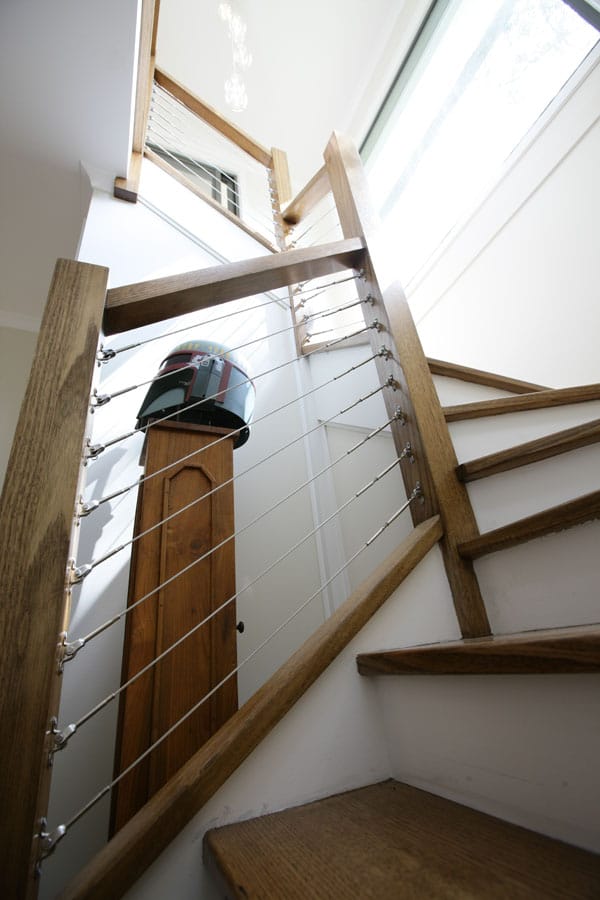
Understanding the National Construction Code (NCC) and Building Code of Australia (BCA) is essential for any staircase project. These codes stipulate standards for stair dimensions, balustrade heights, and riser gaps. Compliance ensures your staircase is safe and functional, avoiding potential hazards.
Stay informed about updates to these codes, as they evolve to improve safety standards. Engaging with a certified stair builder in Greater Melbourne guarantees adherence to these regulations, providing confidence in your home’s safety features.
Key Compliance Considerations
When planning your staircase, specific compliance factors need attention. Balustrade heights must conform to regulations to prevent falls. Likewise, riser gaps should be minimal to reduce trip risks and meet safety codes. Collaborating with a stair builder who understands these details ensures your design is up to standard.
Considerations like handrail specifications add to the safety and usability of your stairs. Proper installation of these elements enhances both the security and aesthetic of your staircase, offering peace of mind and style.
Maintenance and Sustainability
Beyond design, maintaining and choosing sustainable materials for your stairs is pivotal. Proper care extends the lifespan of your staircase, while eco-friendly choices benefit the environment.
Caring for Your Stairs
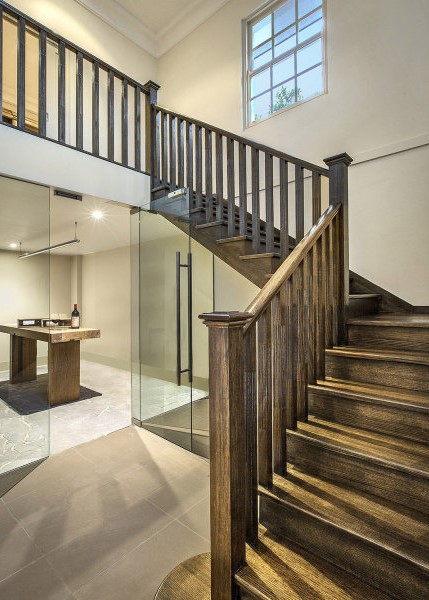
Regular maintenance is key to preserving your staircase’s beauty and functionality. Timber stairs require sealing and polishing to protect against wear. Dusting and cleaning metal and glass components prevent corrosion and maintain clarity.
Investing in high-quality finishes reduces the frequency of maintenance tasks, keeping your stairs looking new longer. A well-cared-for staircase not only enhances your home’s aesthetic but also its value.
Sustainable Material Options
Choosing sustainable materials aligns with eco-conscious living. Selecting timber from responsibly managed forests supports environmental conservation. Look for certifications like FSC to ensure ethical sourcing. Metal options, when recycled, offer a sustainable alternative, reducing environmental impact.
Incorporating sustainable materials into your staircase design reflects a commitment to the planet. It provides the dual benefits of creating a beautiful home feature while sustaining future generations.
Frequently Asked Questions
1. What are the benefits of using timber for stairs?
Timber stairs offer a timeless look and feel. They bring natural warmth and character to your space, with options like Victorian Ash and Spotted Gum providing durability and elegance.
2. How can I ensure my staircase meets safety standards?
Working with a certified stair builder familiar with NCC and BCA standards ensures your staircase design complies with safety regulations, including correct balustrade heights and riser gaps.
3. What maintenance do metal stairs require?
Metal stairs require minimal maintenance compared to timber. Regular cleaning and occasional checks for corrosion help keep them in top condition, ensuring longevity and reliability.
4. Are there sustainable options for staircase materials?
Yes, choosing materials like FSC-certified timber or recycled metal components supports sustainability. These choices reduce environmental impact while providing durable staircase solutions.
5. Can I incorporate glass elements in my staircase design?
Absolutely, glass balustrades complement both timber and metal stairs, adding an elegant touch. They allow light to pass through, creating a spacious and modern look.


