About the author : Melbourne Stairs

Choosing the right materials and finishes for your custom staircases Melbourne project can feel overwhelming. From Victorian Ash stairs to steel spine designs, each option brings unique style and challenges. On top of that, NCC BCA stair compliance and local regulations add another layer to navigate. In this guide, you’ll get clear advice on materials, finishes, and compliance to make confident choices for your Greater Melbourne home. Ready to explore your options? Book a complimentary on-site measure and design consult today.
Choosing Your Staircase Materials
Understanding your material options is essential when planning your custom staircase. Here, we’ll explore the benefits of different materials to help you make the best choice.
Timber Options for Melbourne
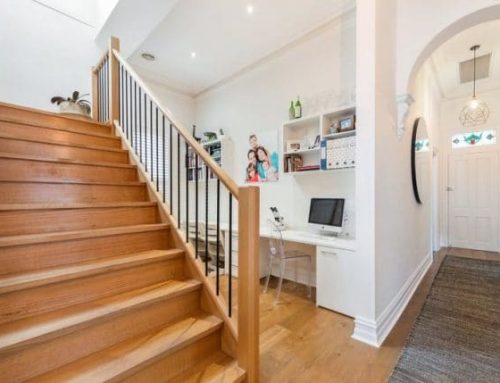
Timber stairs are a popular choice for many Melbourne homeowners. Victorian Ash, Spotted Gum, and American Oak each offer distinct advantages. Victorian Ash stairs provide a light, modern look and can blend seamlessly with various interiors. Spotted Gum, known for its rich hues and durability, is perfect for those seeking a more robust and traditional finish. American Oak, with its classic appeal, suits both contemporary and vintage style homes. When selecting timber, consider how the natural variations in colour and grain can complement your home’s existing decor. Timber stairs bring warmth and elegance, making them a timeless option.
Steel and Floating Systems
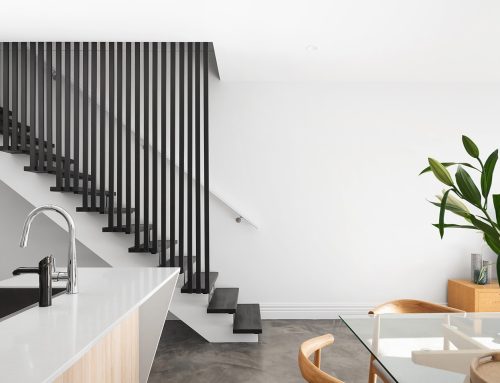
For a sleek, contemporary staircase, steel spine or floating stairs might be the answer. These designs create an illusion of space, adding a modern touch to any room. Steel spine stairs are known for their strength and can support various tread materials, including timber or glass. Floating stairs, on the other hand, offer a minimalist aesthetic, with the steps appearing to float without visible support. These designs are ideal for open-plan spaces, providing an unobstructed view throughout your home. Consider your home’s overall style and the impression you want to make when choosing these modern designs.
Finishes for a Stunning Look

Once you’ve selected your materials, the right finish can elevate your staircase’s appearance. Let’s look at options that suit different materials and styles.
Polyurethane vs. Oil Finish
Choosing between a polyurethane or oil finish for your timber stairs involves weighing durability against aesthetic preference. A polyurethane stair finish provides a tough, glossy coat that resists wear and tear, ideal for high-traffic areas. It’s particularly beneficial for families with children or pets, as it offers maximum protection. An oil finish, however, enhances the wood’s natural beauty and offers a more subtle, matte look. While it requires more frequent maintenance, it allows the timber to breathe and age gracefully. Consider how much traffic your staircase will see and how much maintenance you’re willing to undertake.
Stain and Clear Coat Choices
Staining your stairs can dramatically change their appearance, allowing you to match them perfectly to your interior. A dark stain adds a touch of elegance and can make a bold statement, while a lighter stain keeps things airy and bright. Clear coats, on the other hand, showcase the natural beauty of the wood. They protect against UV damage and moisture, preserving the timber’s longevity. When deciding between stain and clear coat, think about your home’s lighting and color scheme. Each option can dramatically alter the mood and style of your space.
Compliance and Safety

Ensuring your staircase meets safety standards is crucial. Here, we’ll discuss the key compliance aspects you need to know.
NCC/BCA Stair Regulations
Compliance with the NCC/BCA stair regulations is essential for safety and legality. These standards cover a wide range of requirements, such as riser heights, tread depths, and the need for non-slip surfaces. Following these guidelines ensures your staircase is safe for all users, reducing the risk of accidents. Hiring a Registered Building Practitioner in Melbourne can help navigate these requirements and ensure your staircase meets all necessary standards. Safety should never be compromised, and adhering to these regulations is a vital step in your staircase project.
Balustrade and Handrail Standards
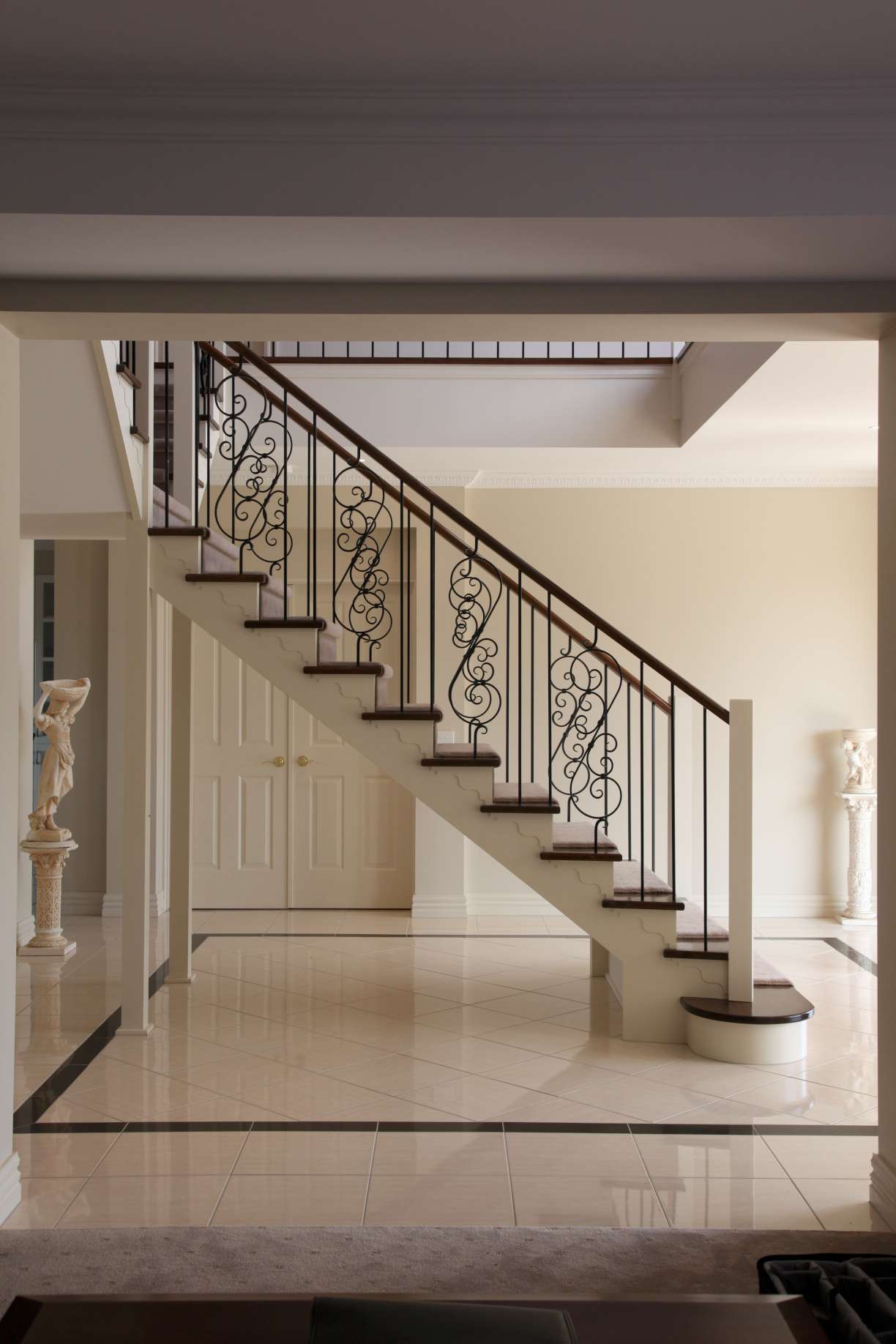
Balustrade and handrail standards play a crucial role in staircase safety. In Victoria, the height requirements for balustrades and the specifications for handrails are strictly regulated. Balustrades must be sturdy enough to prevent falls, while handrails should be easy to grip and positioned at a comfortable height. These elements not only enhance the safety of your staircase but also complement its design. Ensure your staircase complies with all safety standards by consulting with professionals who understand the specific requirements for balustrades and handrails in Australia.
Frequently Asked Questions
What timber is best for custom staircases in Melbourne?
Victorian Ash, Spotted Gum, and American Oak are popular choices. Each offers unique benefits: Victorian Ash for a modern look, Spotted Gum for durability, and American Oak for classic appeal.
How do I choose between a polyurethane and oil finish for my stairs?
A polyurethane finish provides a glossy, durable coat ideal for high-traffic areas. An oil finish enhances natural beauty with a matte look but requires more maintenance.
What are the key compliance standards for staircases in Melbourne?
Staircases must meet NCC/BCA regulations, covering riser heights, tread depths, and non-slip surfaces. Balustrades and handrails have specific height and strength requirements to ensure safety.