

About the author : Melbourne Stairs

Victorian staircase compliance isn’t just about ticking boxes—it’s about keeping your home safe and stylish. If you’re building or renovating in Greater Melbourne, you need to know the key rules like balustrade height 1 metre and riser dimensions 115–190 mm. We’ll guide you through these essentials and show how our compliance-first approach makes your custom timber stairs both stunning and rule-ready. Book a consultation today and get your project started right.
Understanding Victorian Staircase Compliance
Navigating the intricacies of staircase compliance in Victoria is crucial for both safety and aesthetics. Let’s dive into the essentials that every homeowner and builder should know.
NCC BCA Stairs Victoria Essentials
The National Construction Code (NCC) and Building Code of Australia (BCA) provide the groundwork for staircase compliance in Victoria. These codes ensure your staircases are safe, functional, and visually appealing. You’ll find specifics such as the required height for balustrades, which must be at least 1 metre. Additionally, the correct riser dimensions fall between 115–190 mm, and the going must measure between 240–355 mm.
But it doesn’t stop there. The formula 2R+G, which equals 550–700 mm, is vital for comfort and usability. Understanding these numbers ensures that each step in your staircase provides a stable and comfortable experience.
VBA Stair Regulations Overview
The Victorian Building Authority (VBA) oversees the implementation of these codes. Their guidelines are designed to make sure stairs in homes and public buildings are accessible and safe. A significant focus is on slip resistance and open riser gaps. An open riser must not exceed a 125 mm gap to prevent accidents.
For builders and homeowners, these regulations are not just recommendations—they’re mandatory requirements. Meeting these standards not only ensures safety but also adds value to your property by aligning with professional building practices.
Key Measurements and Standards
Measurements are the heartbeat of compliance. A handrail must be 865 mm above the nosing of stair treads, while the stair head height should be at least 2.0 m. These measurements aren’t arbitrary; they ensure functionality and safety for everyone using the stairs.
Incorporating these standards into your design phase is crucial. By focusing on these details early, you’ll avoid costly modifications later. Ensure your staircase design adheres to these precise standards for a seamless process from concept to completion.
Essential Staircase Design Requirements
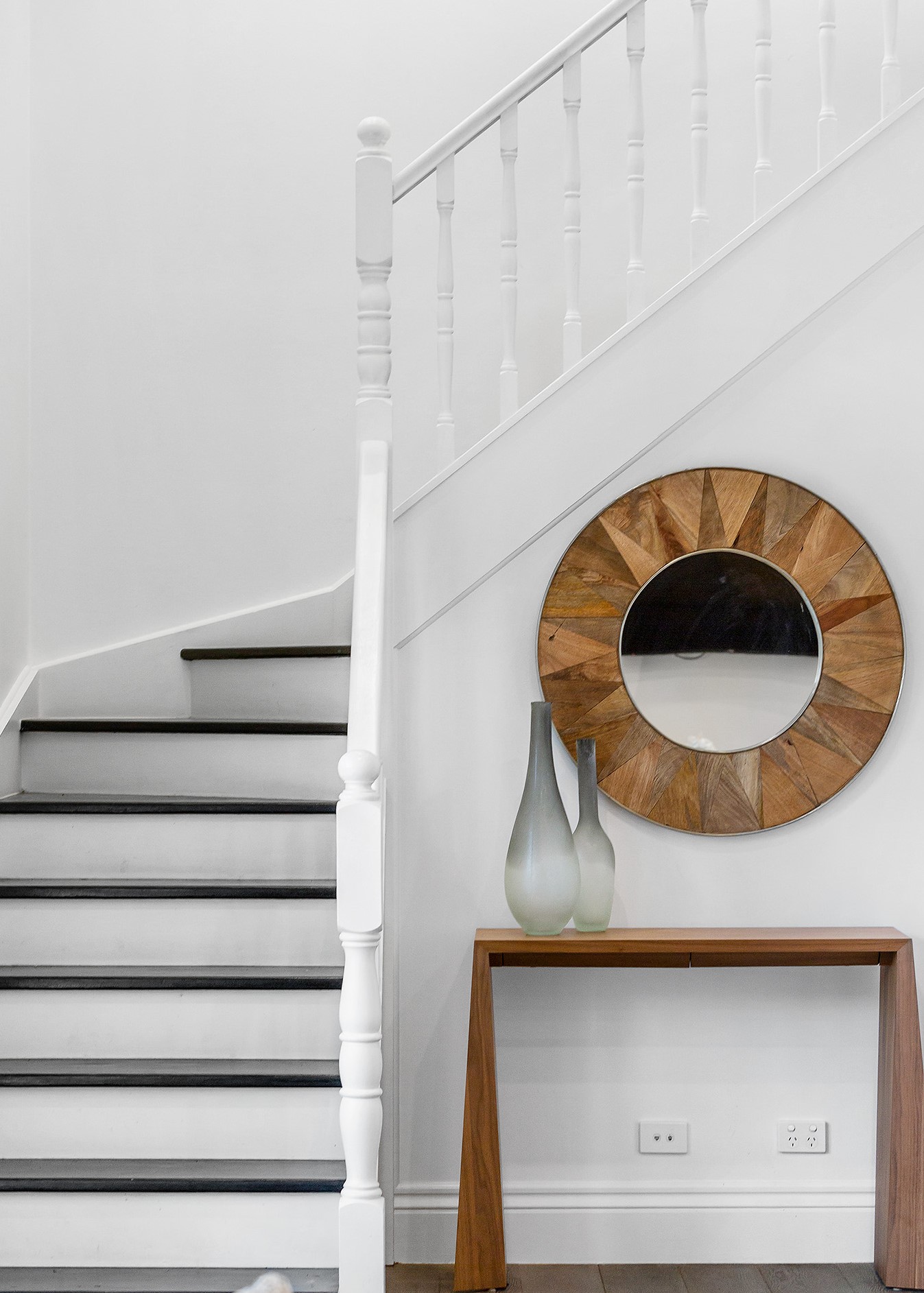
Beyond compliance, staircase design harmonizes safety and style. Let’s look at the essential features that elevate your staircase design.
Balustrade and Handrail Heights
Balustrades and handrails are key to both safety and style. They provide essential support and prevent falls, particularly for children and the elderly. The height for balustrades must be at least 1 metre, ensuring a sturdy barrier against falls.
Handrails, on the other hand, should be placed at a height of 865 mm. This standard height is comfortable for most users, offering support and balance as they navigate the stairs. Choosing the right materials can enhance these features, blending safety with the aesthetic of your home.
Riser and Going Specifications
The riser and going dimensions directly affect the comfort and usability of your staircase. A riser height of 115–190 mm is standard, while the going—essentially the depth of the step—should be between 240–355 mm. These measurements ensure each step is approachable, reducing the risk of trips and falls.
The 2R+G formula, which should total between 550–700 mm, is another crucial consideration. This formula balances the rise and run, contributing to the overall comfort of your staircase.
Open Riser and Slip Resistance Rules
Open risers add a modern touch to staircase design but must adhere to specific rules. The gap should not exceed 125 mm to prevent accidents. This measurement is non-negotiable, ensuring safety while preserving the open aesthetic.
Slip resistance is also paramount. Ensuring your stairs have appropriate traction minimizes the risk of slips, especially in homes with young children or elderly residents. Materials like timber or textured finishes can enhance grip, marrying style with safety.
Choosing the Right Staircase Partner
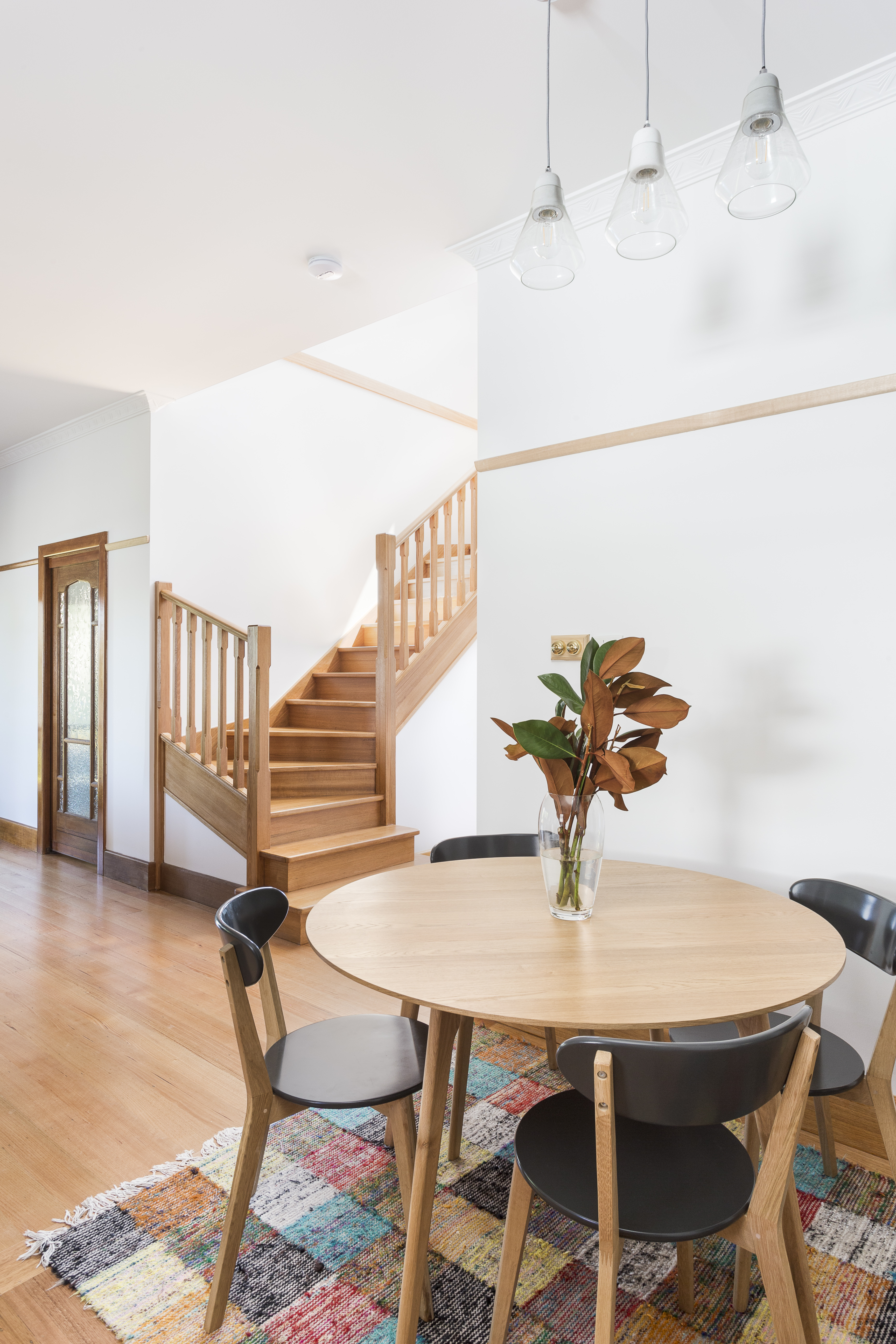
Selecting the right partner for your staircase project is as important as the design itself. Here’s why a compliance-first approach is beneficial.
Benefits of a Compliance-First Approach
By prioritizing compliance, you ensure that your staircase is both safe and stylish. A compliance-focused partner brings peace of mind, knowing your project adheres to all necessary regulations. This reduces the risk of future modifications and potential safety hazards.
Furthermore, a compliance-first approach often leads to a smoother approval process with local authorities. This can save you time and money, allowing your project to proceed without unnecessary delays.
Custom Design and Material Options
Customizing your staircase design means you can tailor every detail to your liking. Whether it’s a floating staircase in Melbourne or a glass balustrade, the options are vast. Using materials like Victorian Ash, Spotted Gum, or American Oak can enhance the natural beauty of your home.
Moreover, custom designs reflect your unique style, creating a centerpiece in your home that is both functional and beautiful. With a variety of materials and finishes, your staircase can be as unique as your home.
Scheduling Your On-Site Measure and Consultation
The journey to your perfect staircase begins with an on-site measure and consultation. This is where your vision takes shape. A professional will assess your space, discuss your needs, and provide expert advice on the best solutions for your home.
Don’t wait to bring your dream staircase to life. Schedule your on-site consultation today to explore the endless possibilities and ensure your staircase meets both your aesthetic goals and compliance standards.
Victorian staircase compliance is more than meeting regulations; it’s about crafting a safe, beautiful, and functional feature in your home. By understanding the essentials and partnering with experts, you can create a staircase that enhances both your style and safety.


