

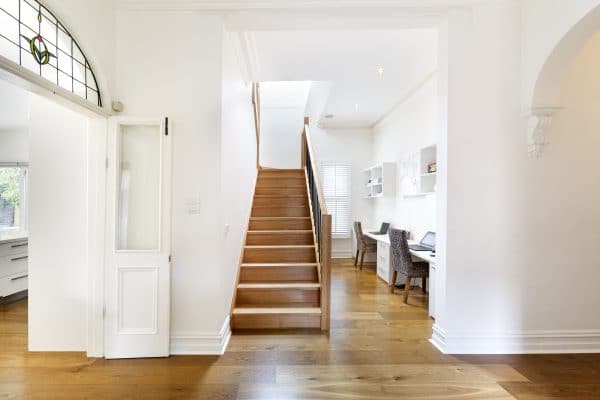
About the author : Melbourne Stairs

Planning a custom staircase for your Melbourne renovation isn’t just about choosing timber or steel—it’s about getting every detail right, from design to compliance. Many homeowners and builders overlook key requirements like NCC BCA stair compliance or balustrade height rules, which can cause costly delays. This guide will walk you through everything you need to plan beautiful, safe custom stairs that fit your space and style perfectly. Ready to plan your stairs? Call Melbourne Stairs or enquire online to book your on-site measure and design consultation in Greater Melbourne. For more insights, check out our guide from the experts.
Designing Your Custom Staircase
Creating the perfect staircase starts with understanding what you want. It’s all about finding the right elements that work together. Let’s explore the key components.
Choosing the Right Materials
The material you choose for your staircase sets the tone for the entire space. Timber remains a popular choice due to its versatility and warmth. Consider using Victorian Ash, Spotted Gum, or American Oak. Each has unique characteristics, like colour and grain, that can complement your home’s design.
Glass and steel are also great options if you prefer a more modern look. Glass balustrades offer a sleek, open feel, while steel adds strength and a contemporary edge. The material you pick should reflect both your style and the staircase’s function.
Understanding Staircase Styles
Staircase styles vary widely, offering endless possibilities to express your home’s personality. Consider floating stairs for an airy feel that maximises light. Cantilever stairs create a striking effect as they appear to float without support. For a bold statement, steel spine stairs can blend industrial with sleek design.
Think about your home’s architecture and how the staircase fits within it. Each style offers a unique way to enhance your living space, adding value and character.
Importance of Stair Compliance
Ensuring your staircase meets compliance standards is crucial. Following the NCC BCA stair compliance guidelines prevents issues down the line. Key areas include balustrade height compliance and riser gap requirements. These regulations aren’t just bureaucratic hurdles; they ensure the safety and longevity of your staircase.
Ignoring these details can lead to unwanted delays and costs. By focusing on compliance from the start, you ensure a smoother renovation process and peace of mind.
Navigating the Renovation Process
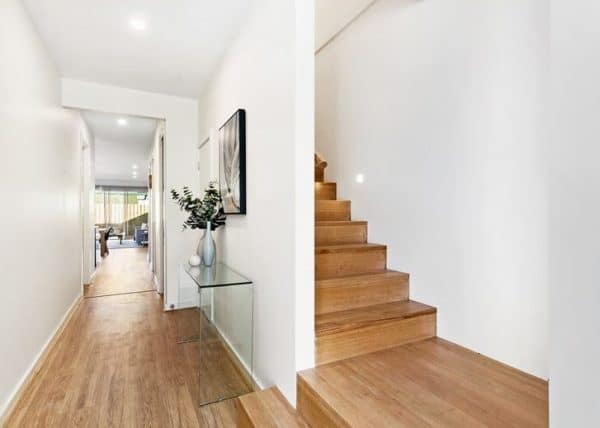
Understanding the renovation journey makes the project manageable. Here’s how to navigate the key stages effectively.
Engaging with Builders and Designers
Building strong relationships with your builders and designers is paramount. Open communication ensures everyone is on the same page. Share your vision and listen to their insights. They can provide valuable feedback, helping you refine your ideas and bring your dream staircase to life.
Working with professionals like Demk Constructions can streamline the process. Their experience in staircase renovation Melbourne ensures your project is handled with expertise.
On-Site Measurements and Planning
Accurate measurements lay the foundation for a successful staircase design. On-site assessments allow for precise planning. This step eliminates potential issues, like incorrect dimensions or space constraints, before they escalate.
Planning involves considering the layout and how the staircase fits within your home’s flow. Make sure to address any challenges early to avoid costly changes later.
Consultation and Design Services
Consultations are where your ideas come together with expert advice. Designers can help you visualise the final product, offering suggestions that you might not have considered. This collaboration ensures a tailored design that meets your needs and enhances your home.
Taking advantage of comprehensive design services means every detail is crafted to perfection. This step is crucial in aligning aesthetics with practicality, ensuring you get the best outcome.
Ensuring Quality and Compliance
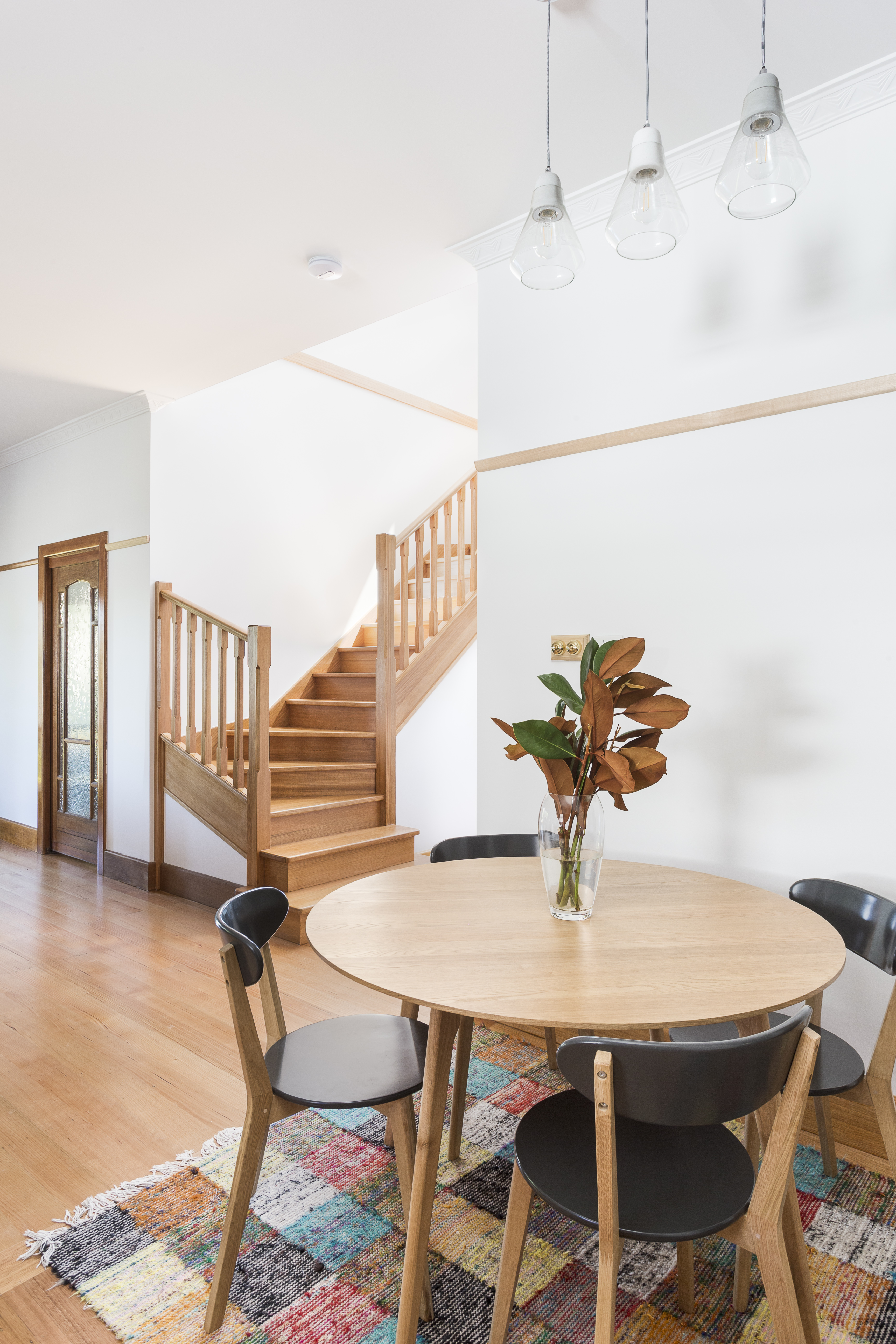
Quality and compliance are the pillars of a successful staircase project. Here’s how to maintain high standards.
NCC/BCA Stair Compliance Essentials
Meeting NCC/BCA stair compliance standards is non-negotiable. These guidelines ensure your staircase is safe and functional. It’s essential to work with a registered building practitioner Victoria who understands these requirements.
Focusing on compliance from the onset avoids potential pitfalls. It guarantees your staircase not only looks great but also stands the test of time.
Precision in Manufacturing and Installation
Precision in manufacturing and installation is what transforms your design into reality. Using CNC precision stair manufacturing ensures each component fits perfectly. This technology allows for detailed craftsmanship and flawless execution.
During installation, maintaining a clean site ensures safety and efficiency. A professional team will handle this, giving you a worry-free experience.
Aftercare and Continued Support
Post-installation support is vital for maintaining your staircase’s condition. Regular maintenance keeps it looking new and functioning well. Aftercare services ensure any issues are addressed promptly.
Engaging with your staircase provider for ongoing support guarantees your investment remains in top shape, providing long-lasting satisfaction.
Frequently Asked Questions
What materials are best for a custom staircase?
Choosing the right material depends on your design preference. Timber, such as Victorian Ash or Spotted Gum, offers warmth and versatility. Glass and steel are ideal for a modern, sleek look.
How do I ensure my staircase meets compliance standards?
Work with a registered building practitioner Victoria to ensure your staircase aligns with NCC/BCA stair compliance standards. This includes checking balustrade height compliance and riser gap requirements.
What is the process for designing a custom staircase?
The process starts with choosing materials and styles. Next, engage with designers and builders for planning and on-site measurements. Finally, use professional consultation and design services to bring your vision to life.
Why is precision important in staircase manufacturing?
Precision ensures each part of the staircase fits together seamlessly. Using CNC precision stair manufacturing achieves flawless results, enhancing both aesthetics and functionality.
What aftercare is needed for a new staircase?
Regular maintenance is key to preserving your staircase’s condition. Aftercare services include routine checks and addressing any wear and tear promptly to maintain its appearance and safety.


