

About the author : Melbourne Stairs

Planning a custom staircase in Melbourne involves more than picking a style you like. You’ll need to consider design choices, compliance with NCC and BCA standards, and the right materials for lasting beauty. Knowing these details upfront saves time and keeps your project on track. Let’s explore what every homeowner should know before starting their custom staircase journey in Greater Melbourne. For more insights, check out this guide on planning a compliant staircase in Victoria.
Key Staircase Design Considerations
Deciding on a staircase design is where the journey begins. Let’s look at how to create harmony between space and style.
Space and Style Harmony
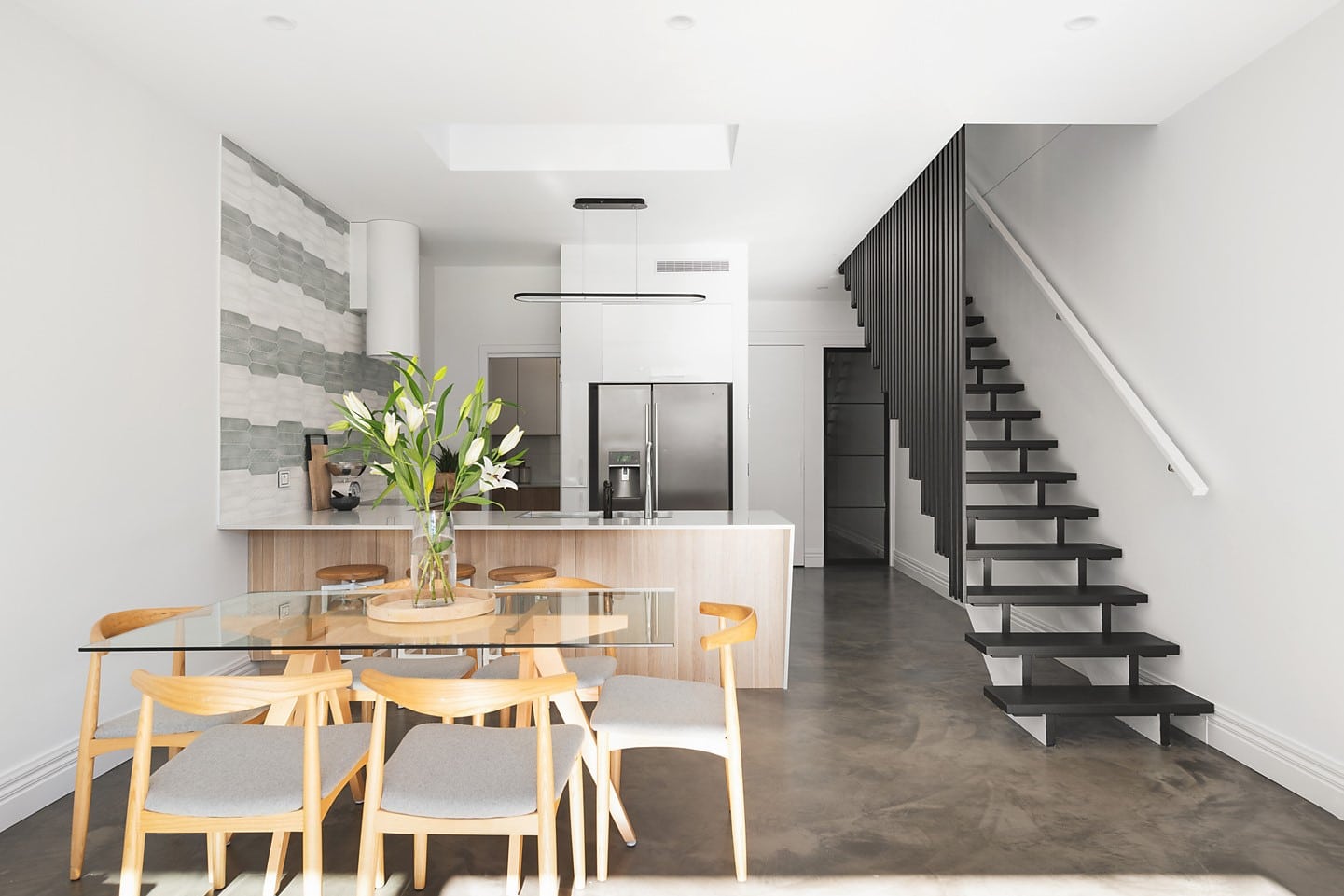
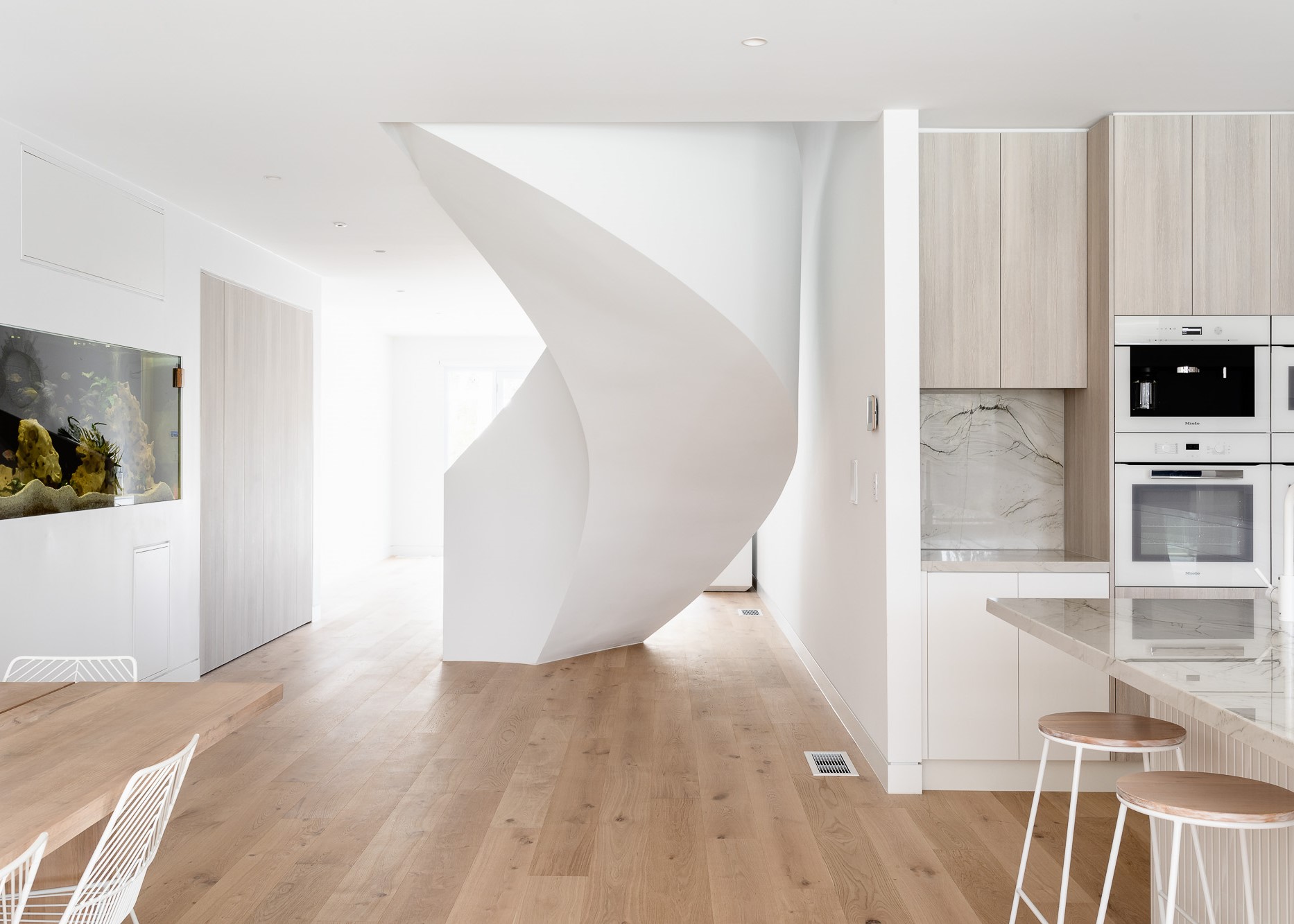
Matching your staircase to your home’s style while fitting the available space is key. Consider how a custom staircase in Melbourne can become a focal point. Compact spaces might benefit from a straight flight to optimise room. In contrast, larger areas can support a grander design, like a curved or geometric staircase. Balancing these elements ensures your staircase complements the existing architecture rather than overwhelming it.
Balustrade and Handrail Choices
Balustrades and handrails aren’t just functional; they’re design statements. You might prefer the sleek look of a glass balustrade, or the classic appeal of timber handrails. Choices such as glass balustrades in Melbourne can give an open, airy feel to your space. Alternatively, metal or wire options offer a modern touch. Ensuring these elements match the overall theme of your home helps create a cohesive look.
Timber and Material Selection
Choosing the right materials impacts both aesthetics and longevity. Timber options like Victorian Ash, Spotted Gum, and American Oak offer durability and beauty. Each wood type has its unique grain and colour, which can affect the final look of your stairs. Timber stairs in Melbourne are popular for their natural warmth and versatility. Consider how different materials will age, and how they complement other features in your home.
Compliance and Safety Guidelines

Safety and compliance are critical in staircase design. Let’s explore the guidelines you need to follow.
NCC and BCA Requirements
Staircases must comply with the National Construction Code (NCC) and Building Code of Australia (BCA). These codes set out the minimum standards for safety and design. Ensuring your staircase meets these requirements is essential for both safety and resale value. Registered Building Practitioners can guide you through these standards to ensure your staircase is compliant.
Balustrade Heights and Riser Gaps
Balustrade height requirements are in place to prevent accidents. The BCA mandates specific heights and riser gaps to ensure safety. For a standard balustrade, the height should be at least one metre above the stair nosings. Riser gaps should be small enough to prevent a child from getting stuck, typically no more than 125mm. These measures are vital for creating a safe environment.
Handrail Specifications and Safety
Handrails should be easy to grip and set at a comfortable height. The BCA specifies that handrails must be continuous along the full length of the stairs. They should be positioned between 865mm and 1000mm above the stair nosings. This ensures that they are accessible for all users, providing stability and support.
Project Planning and Execution
Proper planning ensures a smooth execution of your staircase project. Here’s what you need to know.
Timeline and Scheduling Tips
A well-planned schedule is crucial for timely completion. From initial design to final installation, understanding each phase helps avoid delays. Standard staircases might take 10-15 working days, while complex designs could extend to 6-8 weeks. Discussing timelines with your Greater Melbourne stair builder at the outset can help set realistic expectations.
CNC Precision and Craftsmanship
Embracing technology like CNC machining ensures precision in staircase construction. This method allows for detailed and accurate cuts, enhancing the overall quality. It’s the perfect blend of traditional craftsmanship and modern technology, providing a flawless finish and adding value to your home.
Installation and Aftercare Services
Installation is the final step in bringing your staircase to life. Professional installation ensures that everything fits perfectly and functions as it should. Aftercare services are equally important for maintaining the beauty and functionality of your staircase. Regular maintenance can preserve the materials and extend the life of the stairs.
Frequently Asked Questions
What materials are best for a custom staircase?
Timber options like Victorian Ash, Spotted Gum, and American Oak are popular for their durability and beauty. Each offers a unique look and can be selected based on your home’s aesthetic.
How long does it take to install a custom staircase?
The timeline can vary. Standard designs typically take 10-15 working days, while more intricate designs may require up to 6-8 weeks. It’s important to plan with your builder for accurate scheduling.
Are there specific safety standards for staircases in Melbourne?
Yes, staircases must comply with the NCC and BCA standards. These include guidelines for balustrade heights, riser gaps, and handrail specifications to ensure safety and compliance.


