

About the author : Melbourne Stairs

Planning a compliant staircase in Victoria means more than picking a style you like. You need to consider NCC stair compliance, BCA stair requirements, and local rules like balustrade height Victoria and riser gap rules. Getting these details right from the start saves costly delays and keeps your project on track. Keep reading to learn what matters most before you build, so your staircase fits perfectly and meets every standard. For more detailed information, you can check out this guide on Victorian stair compliance.
Navigating Staircase Compliance
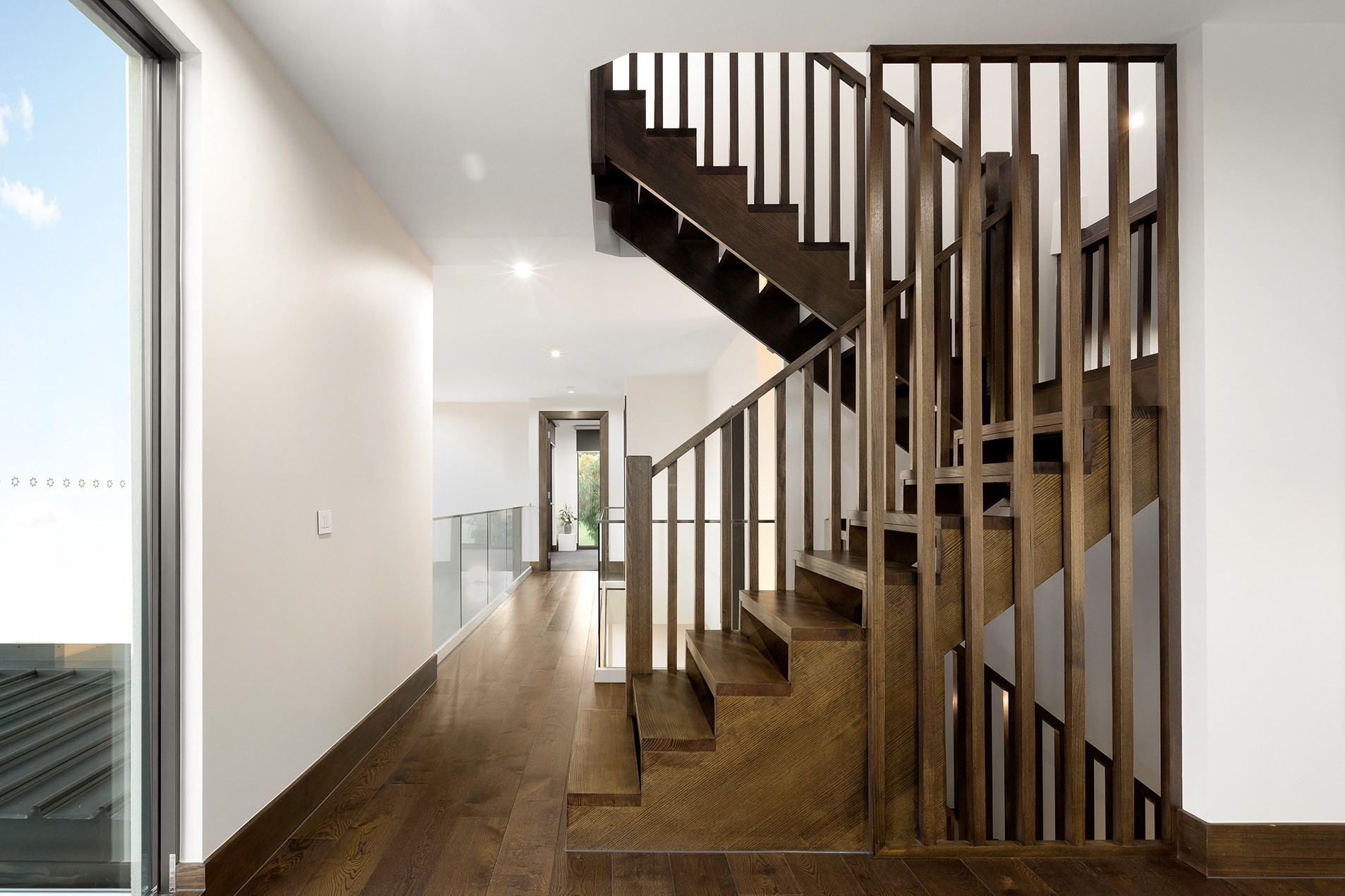
Building a compliant staircase involves understanding key regulations. This ensures not only aesthetic appeal but also safety and legal adherence. Let’s break down the rules you need to know.
NCC and BCA Stair Requirements
When designing a staircase, the NCC (National Construction Code) and BCA (Building Code of Australia) set the groundwork. These codes dictate essential dimensions like stair riser and going, handrail height, and slip resistance. For instance, risers must not exceed 190 mm, and goings should be at least 240 mm. Adhering to these measurements ensures safety and functionality. To dive deeper into these requirements, check out this comprehensive guide on stair safety and compliance.
Understanding Victorian Stair Regulations
In Victoria, additional regulations add another layer of compliance. These local laws cover aspects such as balustrade height and specific materials allowed for construction. For instance, the minimum balustrade height Victoria should be 1 meter for safety. Understanding these rules helps avoid potential penalties and ensures your staircase meets all legal standards.
Balustrade Height and Riser Gap Rules
Balustrades and risers are crucial for staircase safety. The balustrade height must comply with local laws, and riser gaps should not exceed 125 mm to prevent accidents. These specifications safeguard against falls and enhance the usability of your staircase. Knowing these details upfront helps in planning and execution without delays.
Design Decisions for Custom Staircases

With compliance in check, the next step is design. Custom staircases offer endless possibilities, but decisions on materials and styles play a huge role in the final outcome.
Material Choices: Timber, Steel, and Glass
Choosing the right material affects both the aesthetics and the durability of your staircase. Timber options like Victorian Ash, Spotted Gum, and American Oak offer a warm, classic look. Steel provides a modern, sleek finish and is particularly popular in urban settings. Glass balustrades add an element of elegance and allow for open views. Each material brings its unique benefits, so consider what best fits your space and style.
Exploring Stair Types: Floating, Steel Spine, Timber
The type of staircase significantly impacts the feel of a room. Floating stairs create an open, airy atmosphere, ideal for contemporary homes. Steel spine stairs combine strength with a minimalist look, while traditional timber stairs offer timeless appeal. Your choice should reflect both your personal taste and the architectural style of your home. Explore various staircase styles for inspiration.
Winders vs Landings in Design
In staircase design, choosing between winders and landings can influence both the functionality and flow of your space. Winders are ideal for compact areas, adding a touch of elegance while saving space. Landings provide a resting point and can be a focal feature in larger homes. The decision often hinges on your available space and the desired aesthetic.
Site and Installation Considerations

Designing your dream staircase is just the beginning. Proper site and installation planning ensure a smooth and successful build.
Site Factors in Greater Melbourne
Location plays a critical role in stair installation. In Greater Melbourne, factors like soil type, humidity, and building access can affect the installation process. Identifying these early helps in planning and prevents unexpected challenges. Always consult with experienced professionals who understand the local landscape.
Importance of CNC Precision and Installation Timing
Precision is key in staircase construction. CNC (Computer Numerical Control) technology ensures exact measurements and flawless cuts, critical for complex designs. Timely installation is just as crucial to meet project deadlines and avoid disruptions. This technology not only enhances quality but also speeds up the construction process.
Custom Design and Installation Process
From concept to completion, a custom staircase requires a thorough process. It starts with an in-depth consultation to understand your needs, followed by precise design and material selection. Our team at Melbourne Stairs ensures every detail is perfect before moving to installation. This commitment guarantees your staircase not only meets but exceeds expectations, adding value and beauty to your home. Engaging with experienced professionals ensures a seamless journey from design to installation.
By focusing on compliance and design excellence, you ensure your staircase is both beautiful and functional. For more details on creating your custom staircase, visit our Facebook community.


