

About the author : Melbourne Stairs

Victorian Stair Compliance Explained: What to Know Before You Install
Getting your staircase right means more than picking a style you like. Stair compliance Victoria rules cover key details like riser and going dimensions, stair pitch angle, and balustrade height Victoria that can’t be overlooked. Skip these, and you risk costly delays or unsafe designs. Keep reading to find out exactly what you need to know before installing your new staircase—and how Melbourne Stairs makes sure every step meets the standards with precision and care. For more details, visit Melbourne Stairs.
Understanding Victorian Stair Compliance
Navigating the rules for stair compliance in Victoria can seem daunting, but it’s crucial for safety and practicality. Let’s explore what you need to know.
Key NCC Stair Requirements
The NCC, or National Construction Code, sets the foundation for safe stair design in Australia. Key aspects include dimensions and load-bearing rules. When considering NCC stairs Australia, it’s important to note specifics like tread depth and riser height, which ensure safety and comfort. Remember, a compliant staircase isn’t just about ticking boxes; it’s about creating a functional and secure environment. For further guidance, the NCC website offers detailed insights.
Victorian Building Authority Guidelines
In Victoria, the Building Authority provides additional guidelines to ensure that local standards are met. These cover everything from riser and going dimensions to stair pitch angle. Adhering to these rules not only keeps your staircase compliant but also enhances its usability. You can explore the comprehensive details on the Victorian Building Authority’s website.
Importance of Compliance in Design
Compliance isn’t just about following rules; it’s about integrating safety into design. When considering balustrade height Victoria specifications, for instance, you’re not only meeting a legal requirement but also ensuring child safety. By prioritising compliance, you protect your investment and the well-being of those who use the stairs. Plus, working with experts like Melbourne Stairs guarantees that compliance is baked into the design from the start.
Essential Measurements and Standards
Understanding measurements and standards is the backbone of building a compliant staircase. Let’s dive into the essential elements that define a safe and stylish design.
Riser and Going Dimensions
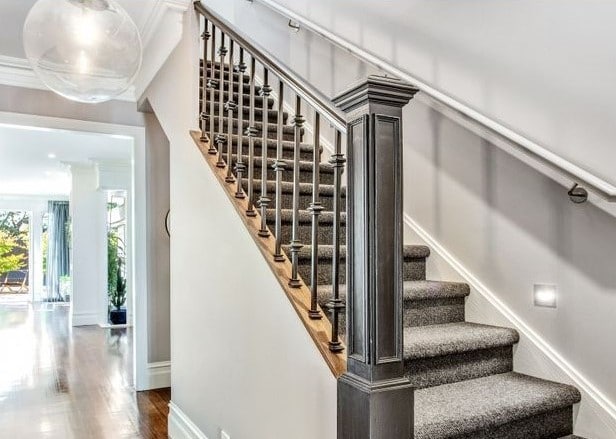
Risers and goings determine the comfort and safety of each step. The riser gap limits are crucial, as they prevent accidents and ensure ease of movement. Typically, risers should not exceed a height of 190mm, while goings should be at least 250mm. These measurements create a harmonious balance, making your staircase both safe and comfortable. If you’re planning a project, make sure these dimensions are part of your design checklist.
Stair Pitch and Headroom
The stair pitch angle must be considered to avoid steep and hazardous stairs. Ideally, stairs should have a pitch between 30° to 38°. Similarly, stair headroom requirement is vital; it should be no less than 2000mm to prevent head injuries. By adhering to these standards, you ensure your staircase is both accessible and compliant with BCA stair regulations.
Balustrade and Handrail Heights
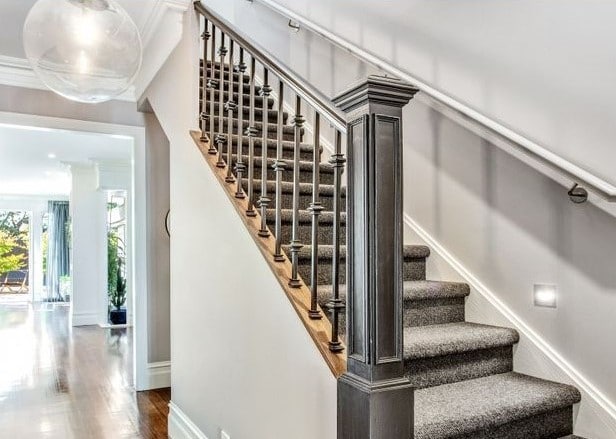
Balustrade and handrail heights are critical for preventing falls. In Victoria, the handrail height Australia standard requires handrails to be between 865mm and 1000mm above the stair nosing. Balustrades must be at least 1000mm above the floor level. These measurements are not just numbers; they’re safety features that protect your family and guests. Learn more about these requirements here.
Crafting Your Ideal Staircase
Creating your dream staircase involves more than just choosing materials. It’s about blending style with compliance, ensuring that your staircase is both beautiful and safe.
Custom Timber and Glass Options
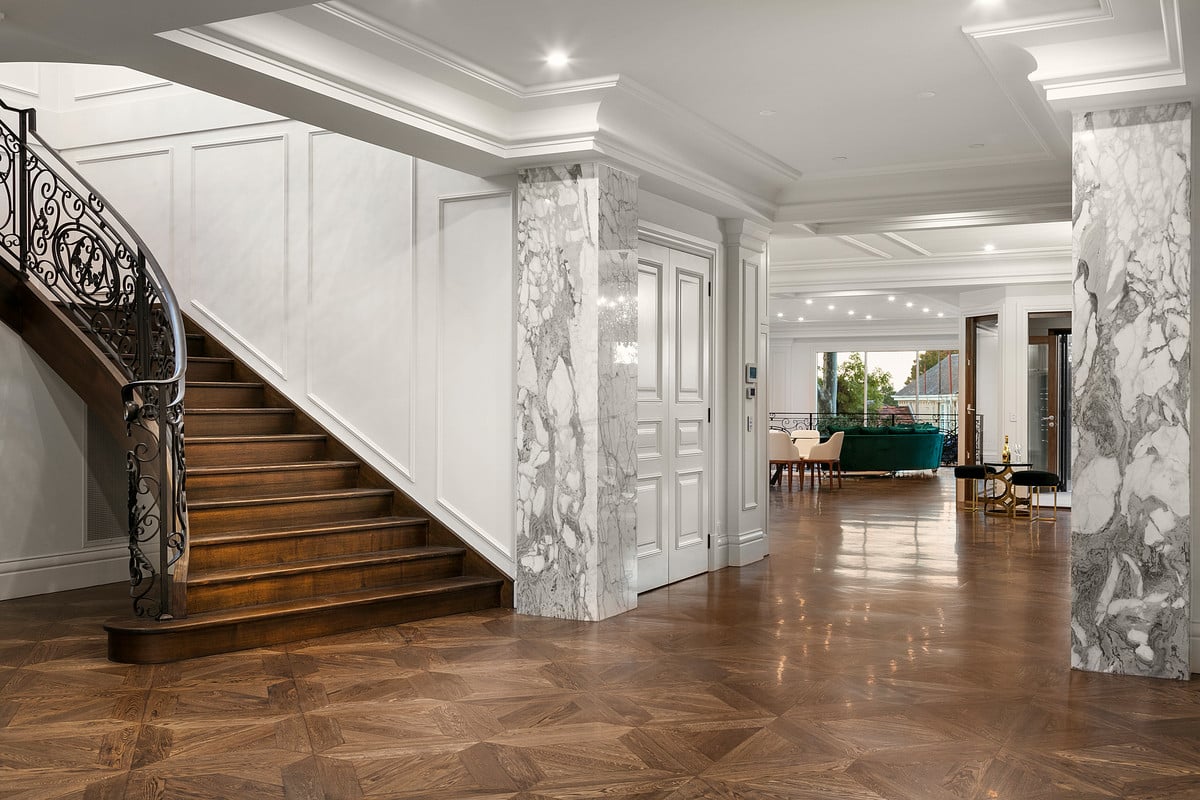
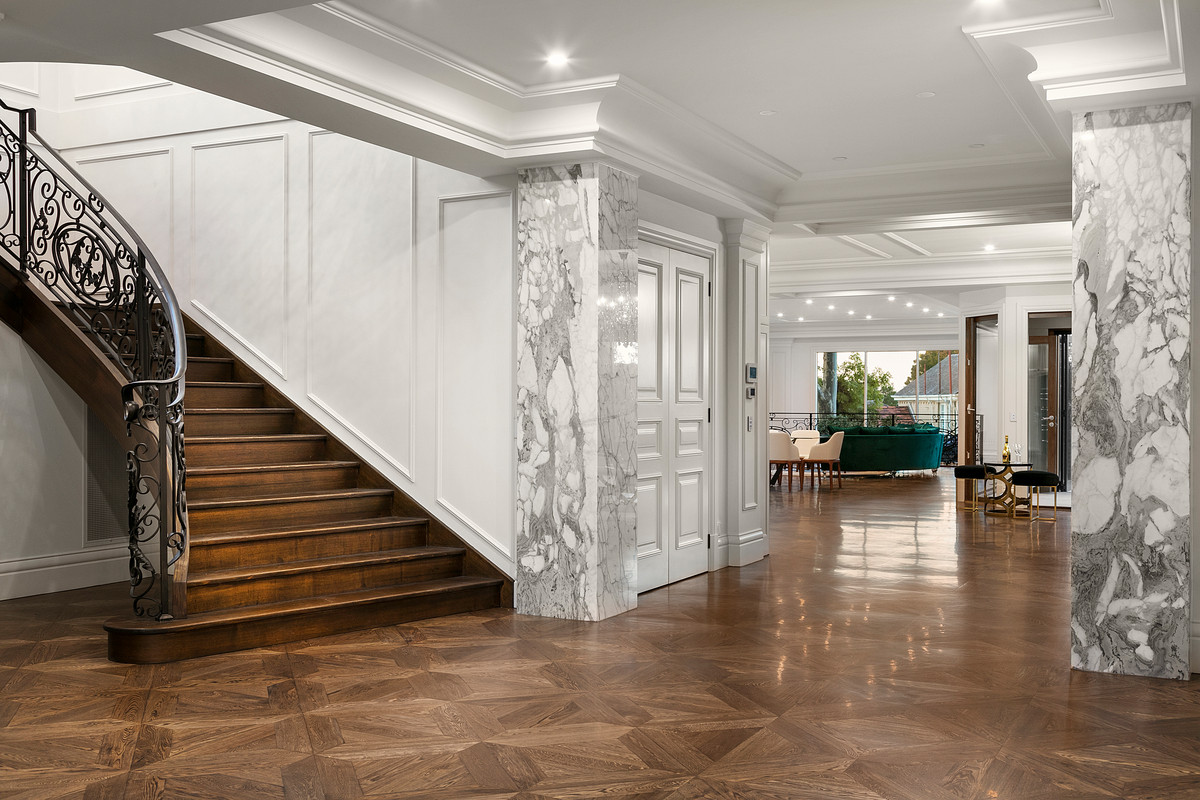
Using custom timber stairs Melbourne can transform the look of your home. Timber offers a classic appeal, while glass balustrades introduce a modern touch. By combining these materials, you achieve a unique aesthetic that complements your space. Remember, each choice must align with compliance standards to ensure longevity and safety.
Steel Spine and Floating Designs
For a contemporary feel, consider steel spine stairs Melbourne. These offer a sleek, minimalist look that suits modern homes. Floating designs give the illusion of space, enhancing room aesthetics. With Melbourne Stairs, your design will be expertly crafted to meet all necessary regulations, ensuring both style and safety.
Engaging a Registered Building Practitioner
Hiring a Registered Building Practitioner Victoria ensures that your staircase meets all legal requirements. These professionals bring expertise and precision to your project. At Melbourne Stairs, our team is dedicated to delivering compliance-first designs that stand the test of time. Whether you’re undertaking a renovation or a new build, engaging the right practitioner is essential for achieving the perfect balance of design and safety.
By understanding these requirements and standards, you’re well on your way to creating a staircase that’s both stunning and compliant. Whether you prefer the classic elegance of timber or the modern appeal of glass and steel, Melbourne Stairs offers customised solutions that cater to every taste and need.


