

About the author : Melbourne Stairs

Staircase compliance in Victoria: what homeowners and builders need to know
Staircase compliance in Victoria can feel like a maze, especially with all the NCC BCA stairs Melbourne rules to follow. Getting your balustrades, handrails, risers, and goings just right isn’t optional—it’s essential for safety and legal peace of mind. We’re here to guide you through Victorian stair regulations with clear, practical advice so your custom stairs in Greater Melbourne meet every requirement without hassle. Organise an on-site measure and compliance review with Melbourne Stairs to get started today.
Understanding Victorian Stair Regulations
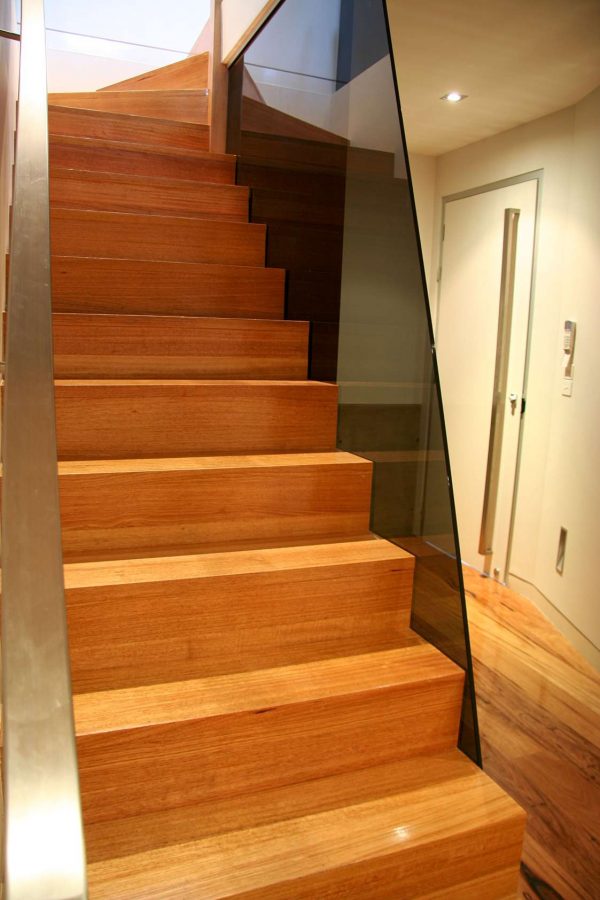
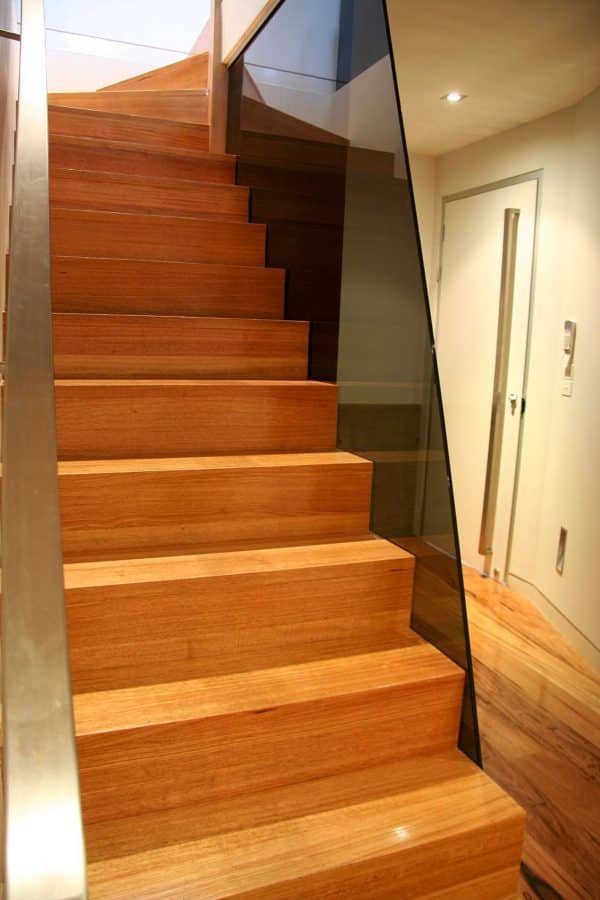
Navigating stair regulations can be tricky. Let’s break down the essentials to ensure your stairs are up to code.
Key Requirements of NCC/BCA
The National Construction Code (NCC) and Building Code of Australia (BCA) provide guidelines to keep stairs safe. To start, it’s crucial to understand the basic requirements. For instance, stairs must have even risers and goings to prevent tripping. The NCC states that risers should not exceed 190mm in height, while goings should be at least 240mm deep. Moreover, handrails are mandatory on at least one side of the stairs, and balustrades must be at least 1 meter high for safety. These codes are there to protect you, ensuring every step is as secure as the last. For more detailed guidance, visit Stair and Barrier Design.
Importance of Compliance in Melbourne
In Melbourne, ensuring your stairs meet these standards isn’t just about ticking a box. It’s about peace of mind. Compliance prevents accidents, keeping you and your loved ones safe. Plus, it avoids legal issues that could arise from non-compliance. As a trusted Melbourne staircase builder, we know the ins and outs of these regulations, ensuring your project is smooth and stress-free. Understanding these rules can save you time and money, avoiding costly redesigns or fines.
Designing and Building Compliant Stairs
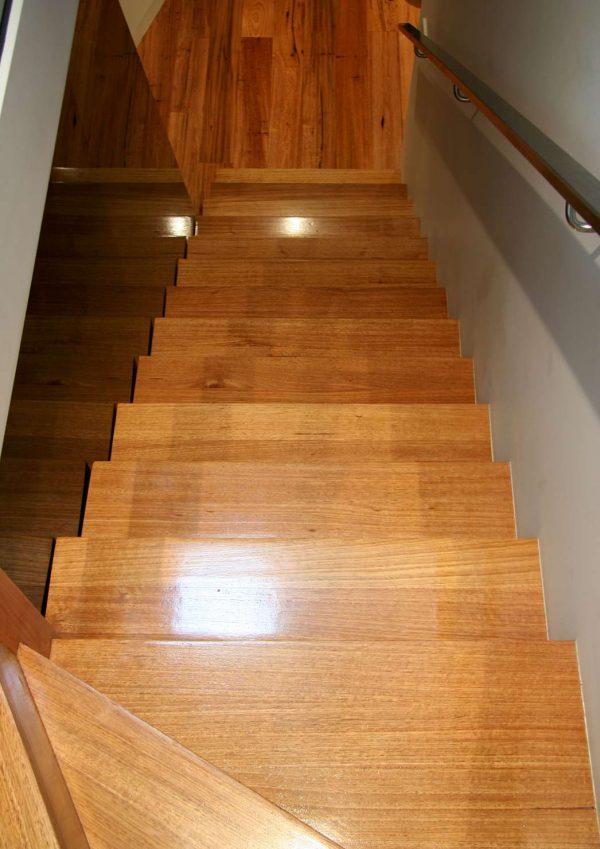
Designing compliant stairs doesn’t mean sacrificing style. Here’s how you can ensure your stairs are both beautiful and safe.
Custom Stairs for Greater Melbourne
Custom stairs add elegance to your home, but they also need to meet stringent safety standards. When crafting your dream staircase, consider both aesthetics and regulations. Whether you prefer a classic timber look or modern glass and steel, we tailor designs to suit your space. Our team collaborates closely with homeowners and builders to create stairs that are both visually stunning and fully compliant. Choosing us means opting for a partner that values craftsmanship and compliance equally, ensuring your stairs are a perfect addition to your home.
Materials: Timber, Steel, and Glass
The choice of materials influences both the style and compliance of your stairs. Timber offers a timeless appeal, while steel provides a modern, sleek look. Glass balustrades add an element of openness and sophistication. Each material has its own set of compliance requirements. For instance, glass must meet specific thickness standards for safety. At Melbourne Stairs, we help you navigate these choices, ensuring your materials meet all necessary standards. This ensures that your staircase not only looks great but also stands up to Melbourne’s stringent safety codes.
Ensuring Stair Safety and Compliance
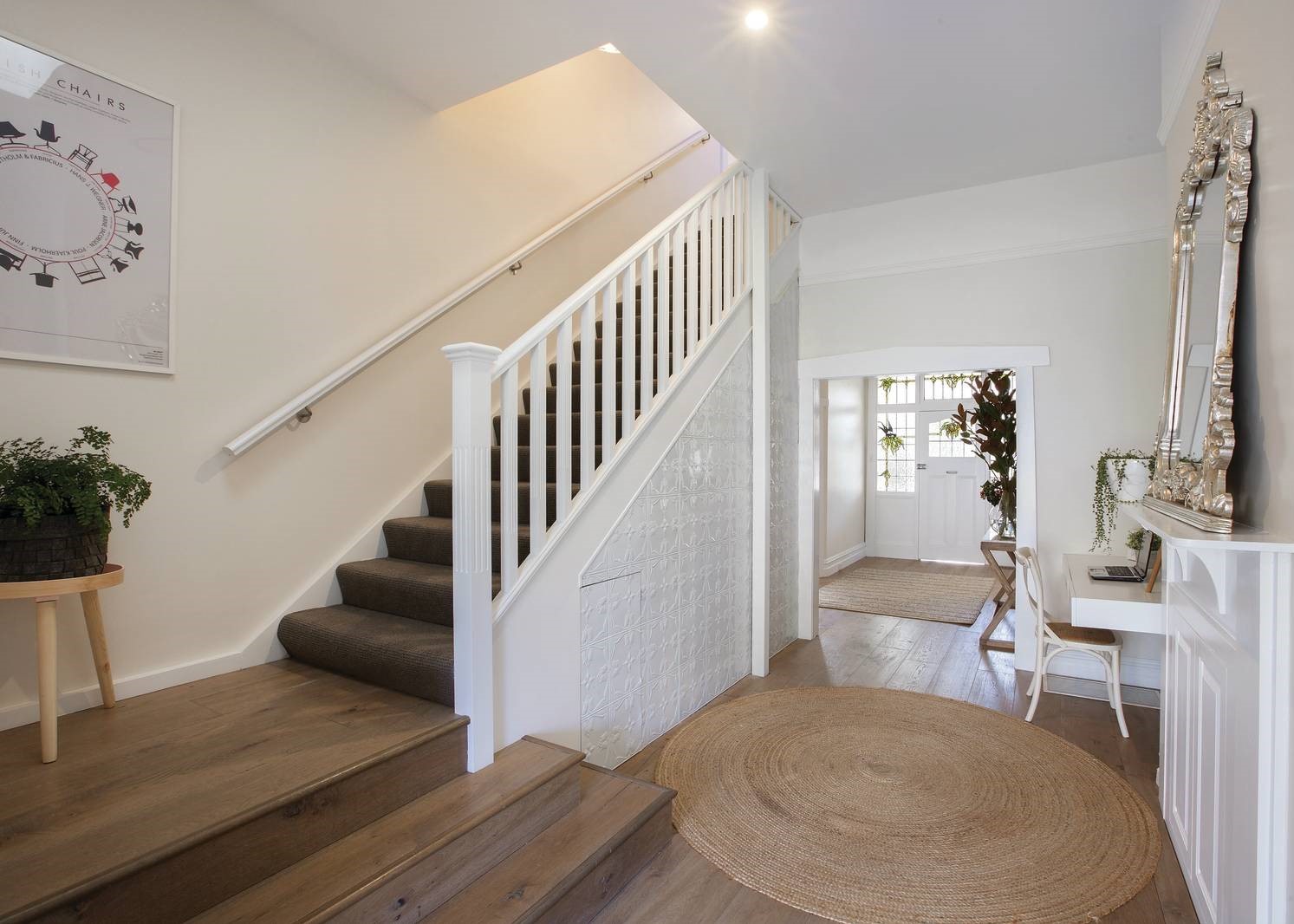
Safety is paramount when it comes to stair design. Here’s what you need to know about keeping your stairs secure.
Balustrade and Handrail Requirements
Balustrades and handrails aren’t just decorative; they’re essential safety features. In Victoria, balustrades must be at least 1 meter high to prevent falls. Handrails should be easy to grip and installed at a height of 865mm to 1000mm above the nosing of the stair tread. For optimal safety, handrails must be continuous and extend at least 300mm beyond the top and bottom stair. Proper installation is crucial. Read more about these guidelines to ensure compliance.
Riser and Going Rules Explained
The riser and going dimensions are critical for a comfortable and safe stairway. The riser height should not exceed 190mm, while the going should be no less than 240mm. This balance is key to preventing trips and falls. Even small deviations can impact safety significantly. Understanding these dimensions helps ensure every step is a safe one. For a deeper dive into these rules, check out Understanding Staircase Safety Compliance. By adhering to these guidelines, you are investing in the safety and comfort of all stair users.
With these insights, you’re well on your way to creating a stunning and safe staircase. While compliance might seem daunting, having the right partner can make all the difference. At Melbourne Stairs, we take pride in delivering designs that meet your vision while ensuring full compliance. Let us help you bring your staircase dreams to life with the assurance of quality and safety.


