

About the author : Melbourne Stairs

Planning a custom staircase in Melbourne means balancing style, safety, and compliance from the start. Your choice of materials—whether Victorian Ash, Spotted Gum, or steel spine stairs—impacts both look and durability. Knowing key steps like NCC and BCA requirements before you build saves time and hassle later. Keep reading to learn how to make your staircase design stand out while ticking every box for a smooth project. For more detailed guidance, check out this link.
Planning Your Dream Staircase
Designing a staircase that fits your home’s style and your lifestyle is a rewarding task. Let’s explore the possibilities that await you and key considerations that should guide your choices in creating that perfect staircase.
Understanding Design Possibilities
The beauty of a custom staircase lies in its adaptability to your unique vision. You have the freedom to select from a range of materials and styles that can truly transform your space. Whether you prefer the warmth of timber or the sleekness of steel, your options are vast.
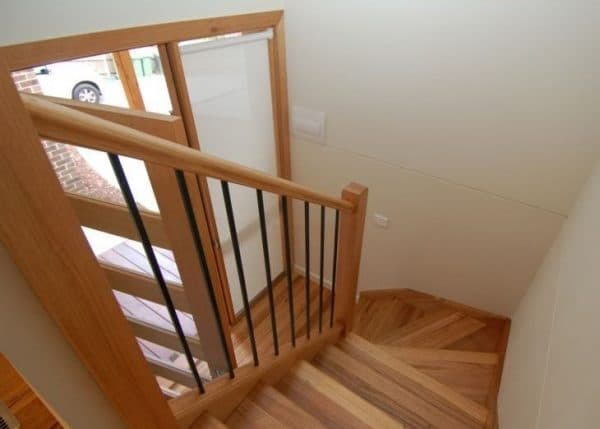
Timber offers classic elegance and can be tailored in various finishes. Victorian Ash or Spotted Gum are popular choices that lend a refined look to any home. For a more modern touch, consider steel spine stairs, which provide a minimalist and open feel. Glass balustrades can also enhance this effect, giving your stairway a light and airy appearance. Each material choice can redefine your space and reflect your personal taste, making your staircase not just a functional element but a central feature of your home.
Exploring styles such as floating designs and curved staircases can add a dramatic flair. Floating stairs can make a bold statement with their clean lines and the illusion of steps suspended in mid-air. Curved designs, meanwhile, offer a graceful and fluid movement through your home. These creative options ensure your staircase stands out as a piece of art, crafted keenly to complement your home’s interior.
Key Considerations for Homeowners
Before embarking on your staircase project, there are vital factors to consider. Start by assessing the space available and envisioning how your staircase will fit into your home. Will it be a grand feature in the entryway or a subtle, functional path to the upper floors?
Next, think about the purpose of your staircase. Are you looking to make a visual statement, maximize space, or ensure ease of use? Each goal influences the design and material choices. For instance, if you’re working with limited space, a spiral staircase could be an ideal solution. Conversely, if safety and accessibility are priorities, opt for designs that incorporate sturdy handrails and slip-resistant materials.
Another critical aspect is budget planning. Custom stairs can vary widely in cost, depending on materials and complexity. It’s essential to understand your budget early on and communicate it clearly with your stair builder. This will help in crafting a design that meets your needs without compromising on quality.
Navigating Compliance Requirements
Creating a stunning staircase is only part of the process; it must also meet all safety and compliance standards. Let’s delve into how you can ensure your staircase adheres to the necessary regulations.
Meeting NCC and BCA Standards
In Australia, staircases must comply with the National Construction Code (NCC) and the Building Code of Australia (BCA). These standards are in place to ensure safety and durability. When planning your staircase, it’s crucial to understand these requirements to avoid costly revisions later.
The codes specify dimensions for risers and treads, balustrade heights, and handrail specifications. For example, stair risers should generally not exceed 190mm, and the tread should not be less than 240mm deep. Handrails need to be positioned between 865mm and 1000mm above the stair nosing to ensure safety. Your stair builder will help navigate these regulations, ensuring every aspect of your design adheres to the necessary standards.
Additionally, engaging a registered building practitioner is a must. They have the expertise and experience to ensure your staircase meets all compliance requirements. By doing so, you can be confident your staircase is not only beautiful but safe and legally sound as well.
Ensuring Safety with Handrails and Balustrades
Safety is paramount when it comes to designing a staircase. Handrails and balustrades play a crucial role in ensuring that your staircase is both functional and secure. A well-designed handrail can prevent accidents, offering support and stability as you ascend or descend the stairs.
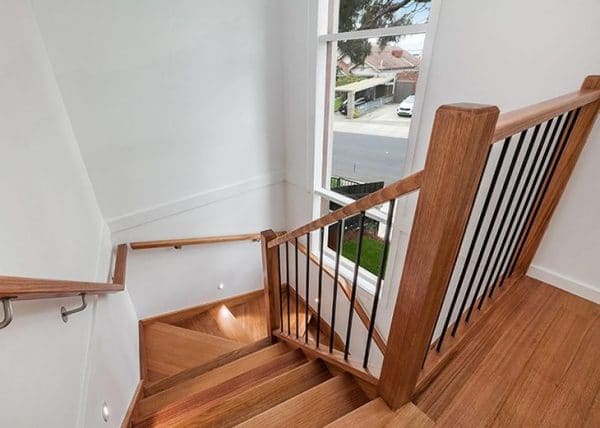
When choosing handrails, consider options that complement your staircase’s overall aesthetic. Timber handrails provide a classic look, while metal or glass options can create a modern vibe. Whichever you choose, ensure it is robust and properly installed.
Balustrades are equally important for safety and style. They prevent falls and add a decorative element to your staircase. Glass balustrades are popular for their sleek look and ability to let light pass through, enhancing the sense of space. Metal balustrades can offer a more industrial feel, providing both function and flair.
Choosing the Right Materials
Selecting the right materials for your staircase is a decision that impacts both aesthetics and long-term durability. Let’s explore the benefits of some popular materials used in Melbourne homes.
Benefits of Timber Stairs in Melbourne
Timber is a favourite among Melbourne homeowners for its timeless charm and versatility. It brings warmth and natural beauty to any interior, making it a perfect choice for those seeking an inviting atmosphere.
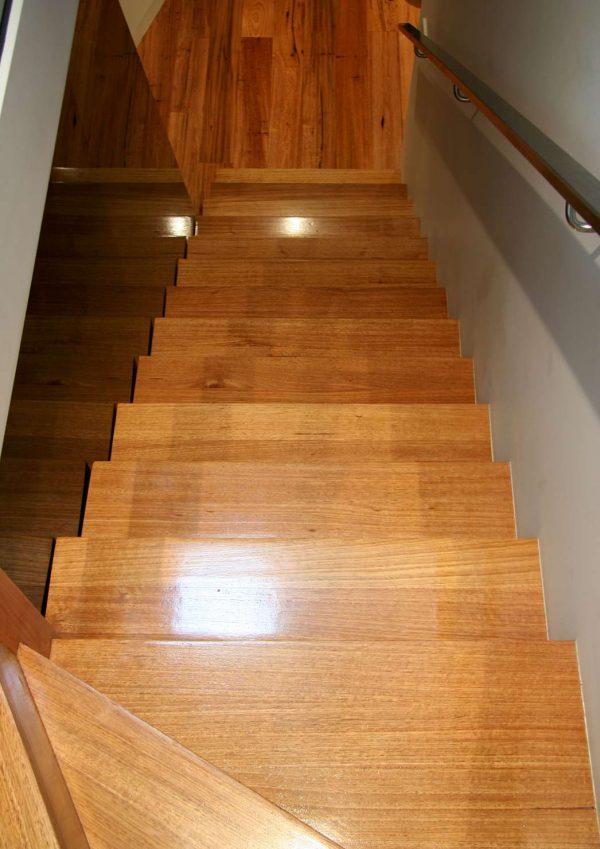
Victorian Ash and Spotted Gum are two timber options that are particularly well-suited to the local climate. They offer excellent durability and can be finished in a variety of stains to match your home’s interior. Timber stairs are not only beautiful but also sustainable, making them an environmentally friendly choice for your home.
In addition to their aesthetic appeal, timber stairs provide excellent acoustic properties. They absorb sound, reducing noise transmission between floors—ideal for maintaining peace in busy households. With proper maintenance, timber stairs can last a lifetime, offering a return on investment that few other materials can match.
Exploring Steel Spine and Floating Designs
For those looking to make a bold statement, steel spine and floating stairs are excellent choices. These designs are characterised by clean lines and a minimalist aesthetic, perfect for modern homes.
Steel spine stairs feature a central steel beam that supports the steps, creating a floating effect. This design is not only visually striking but also incredibly sturdy. The steel provides a solid foundation, while the open design allows for creative use of space. Pairing steel with timber treads can add warmth to the industrial feel, creating a balanced look.
Floating stairs, on the other hand, create the illusion of unsupported steps. This design maximises space and light, making it ideal for smaller areas. Though they appear delicate, floating stairs are engineered for strength and durability, ensuring they are both stylish and functional.
Frequently Asked Questions
Q: What materials are best for staircases in Melbourne?
A: Timber like Victorian Ash or Spotted Gum is popular for its durability and charm. Steel spine or floating designs offer a modern look and are equally robust.
Q: How can I ensure my staircase meets compliance standards?
A: Ensure your design follows NCC and BCA guidelines for safety. Work with a registered building practitioner to guarantee your staircase is compliant.
Q: What are the benefits of glass balustrades?
A: Glass balustrades enhance light flow and space perception. They provide a modern aesthetic and can be paired with various materials for a customised look.
Q: Are floating stairs safe?
A: Yes, floating stairs are engineered for safety. They may appear delicate, but the design is structurally sound and can support regular use.
Q: How do I choose a stair builder in Melbourne?
A: Look for experience, a portfolio of past projects, and compliance with local building codes. A registered building practitioner ensures quality and safety.


