

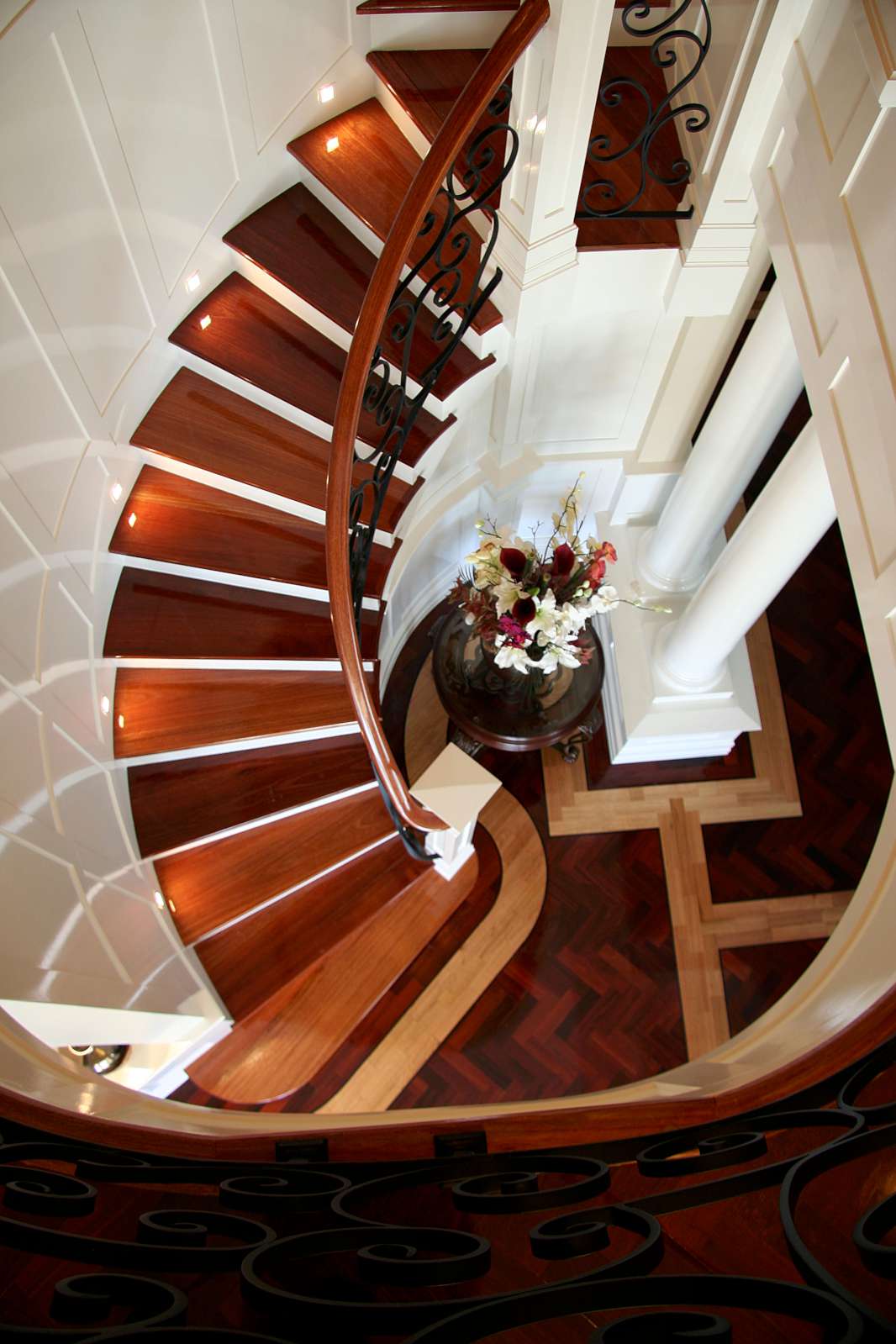
About the author : Melbourne Stairs

Forget the idea that staircases are just a way to get from one floor to another. The right design lifts comfort, safety and style all at once. From timber stairs Melbourne homeowners admire to sleek floating stairs and steel spine staircases, every detail matters. Let’s explore what makes a staircase truly stand out and why Melbourne Stairs is the trusted name for custom staircases Melbourne clients rely on. Check out this modern staircase design guide for more inspiration.
Designing for Comfort and Safety
Building a staircase that blends comfort and safety is essential for any home. The right measurements and materials ensure a secure yet stylish ascent.
Stair Tread Depth and Riser Height
Getting the right stair tread depth and riser height is crucial for both comfort and safety. Tread depth ensures each step feels secure underfoot, while riser height prevents trips and falls. Most people think any measurement works, but there’s a sweet spot. The Building Code of Australia suggests a tread depth of around 240mm and a riser height of 190mm for comfortable use. It’s about balance: too tall and it’s a challenge, too shallow and it’s awkward.
Walking up and down should be a breeze, not a workout. These measurements help create a natural rhythm when moving between floors. Plus, if you have kids or elderly family members, it’s even more important to keep these dimensions in mind. A well-measured staircase invites use without hesitation.
Handrail Design Considerations
Handrails aren’t just for decoration; they’re a key safety feature. A good handrail design complements the staircase style while providing essential support. When thinking about handrails, consider the grip size and height. A comfortable grip size is usually around 32 to 50mm in diameter. This ensures everyone, from small children to adults, can hold on with ease.
Placement matters too. Handrails should be positioned between 865mm and 1000mm above the stair nosings. This height provides stability without feeling too high or low. Choose materials that match your staircase and home decor. Timber, metal, or even glass can offer both safety and style.
Balustrade Height Regulations
Balustrades aren’t just about aesthetics; they’re a safety necessity. Ensuring the right## Designing for Comfort and Safety
Creating a staircase that feels secure and comfortable starts with the basics. It’s not just about getting from A to B; it’s about making every step feel right.
Stair Tread Depth and Riser Height
The tread depth and riser height are crucial for comfort and safety. Ideally, a tread depth of 250mm allows for a solid footing, while a riser height of 190mm ensures easy climbing. When these dimensions are spot on, your staircase won’t just look good; it’ll feel right too. Many people overlook this, but getting it right can make all the difference. If you plan renovations, consider these dimensions to ensure your staircase feels comfortable and secure.
Handrail Design Considerations
Handrails should not only be sturdy but also inviting to touch. The height should be around 900mm above the nosing of the tread. This positioning provides stability without compromising style. Curved or flat profiles can offer a comfortable grip, making every ascent and descent safer. The design should blend with your home’s aesthetic while meeting safety standards. When choosing a handrail, think about who will be using it and how it can best serve them.
Balustrade Height Regulations
Balustrades are more than just a barrier; they’re essential for safety. Regulations require a minimum height of 1000mm to prevent falls. This height ensures a secure boundary without blocking views. Glass or timber balustrades can add elegance while maintaining safety. For homes with young children, a secure balustrade is vital. Always check that your balustrade meets local building codes to ensure compliance.
Stylish Staircase Options
The look of your staircase can transform the entire feel of your home. From classic timber to modern floating designs, choices abound.
Timber Stairs: Victorian Ash, Spotted Gum, American Oak
Timber stairs offer warmth and classic appeal. Victorian Ash is popular for its light colour and strength. Spotted Gum boasts a rich hue, adding depth to your design. American Oak, known for its durability, offers a sophisticated touch. Each timber type brings unique characteristics, so consider your style and needs when choosing. Timber stairs are not just beautiful; they are a testament to nature’s beauty in your home.
Floating and Cantilever Stairs
Floating stairs give a sense of space and lightness. Their minimalist design makes them ideal for modern homes. Cantilever stairs, where each step juts from the wall, create an illusion of floating. These designs are perfect for a sleek, contemporary look. However, they require precise engineering to ensure safety and stability. If you’re after a staircase that’s a conversation starter, look no further.
Steel Spine and Glass Balustrades
For those who prefer a modern touch, steel spine staircases are perfect. They combine durability with a sleek design. Pairing them with glass balustrades can enhance their visual impact. This combination not only provides a modern aesthetic but also allows light to flow freely. Steel and glass offer a striking contrast that suits contemporary interiors. Consider this option if you’re looking for a bold statement piece.
Enhancing Staircase Functionality
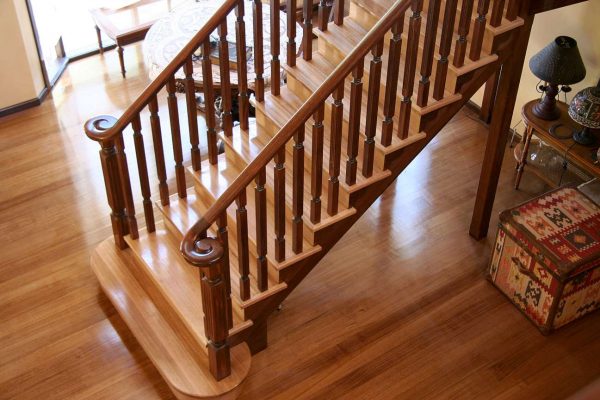
Beyond aesthetics, staircases need to be practical. Here’s how to enhance their functionality.
Slip-Resistant Stair Finishes
Safety starts with the right finish. Slip-resistant finishes are essential, especially in homes with children or elderly residents. These finishes can prevent accidents and give you peace of mind. Options range from textured timber to anti-slip coatings. When choosing a finish, think about who uses the stairs and what will keep them safest. A slip-resistant finish doesn’t have to compromise on style.
Closed vs Open Riser Benefits
Closed risers offer privacy and storage options beneath the staircase. They also block sound between levels, useful in busy homes. Open risers, on the other hand, create an airy feel, allowing light to pass through. This choice depends on your home’s layout and your personal preference. Consider the pros and cons of each to decide what fits your lifestyle best.
Stair Lighting Design Tips
Lighting can transform your staircase into a standout feature. LED strips under treads highlight the steps, offering both safety and style. Wall sconces can add a decorative touch while providing essential illumination. Consider motion sensors for convenience. Proper lighting enhances not only safety but also the overall aesthetic. Think about how lighting can complement your staircase design and improve its functionality.
Frequently Asked Questions
What is the ideal tread depth and riser height for stairs?
The ideal tread depth is 250mm, and the riser height is 190mm. These dimensions ensure comfort and safety while using the stairs.
Why are balustrade height regulations important?
Balustrade height regulations are crucial for safety. A minimum height of 1000mm prevents falls and ensures a secure boundary without obstructing views.
What are the benefits of open riser stairs?
Open riser stairs create a sense of space and allow light to flow through. They offer an airy feel and are suited to modern, open-plan homes.
How can I make my staircase slip-resistant?
To make your staircase slip-resistant, use textured timber or apply anti-slip coatings. These finishes help prevent accidents, especially in homes with young children or the elderly.
What lighting options work best for staircases?
LED strips under the treads and wall sconces are effective for staircases. Consider motion sensors for convenience and safety, enhancing both the aesthetic and functionality of your staircase.


