

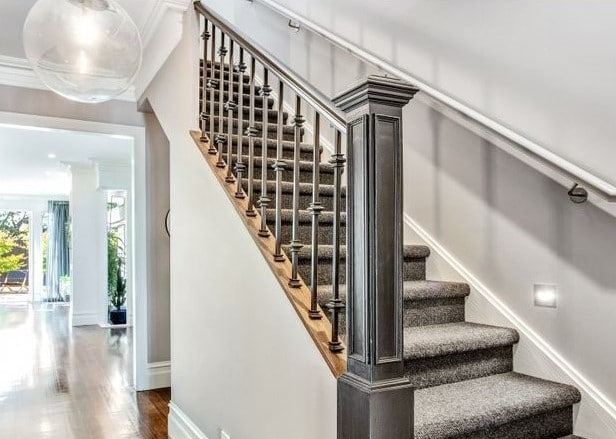
About the author : Melbourne Stairs

Custom staircases Melbourne should never be a guessing game. When your staircase meets strict NCC stair compliance and BCA stair regulations, you get more than just style—you get safety, durability, and peace of mind. With CNC precision stair manufacturing and expert craftsmanship, every detail from balustrade height requirements to riser and going compliance is spot on. Ready to plan your staircase the right way? Book a site measure and design consult with our Melbourne team today. Learn more about building regulations for stairs.
Importance of Compliance in Custom Staircases
Ensuring your staircase meets compliance standards is crucial for both safety and aesthetics. Let’s explore why NCC/BCA regulations matter for your custom staircases in Melbourne.
Understanding NCC and BCA Regulations
NCC and BCA regulations ensure every staircase is safe and built to last. These guidelines cover all aspects, from materials to measurements, and are essential for any project. Without them, your staircase might not just look off, it could be unsafe. Knowing these rules helps you make informed decisions, ensuring your project complies with all necessary standards. For a detailed guide, check out this construction staircase building code guide.
Ensuring Safety with Riser and Going Compliance
Safety is paramount when designing stairs. Riser and going measurements affect how comfortably and safely you move up and down the stairs. Precise calculations prevent tripping hazards and improve seamless use. When these measurements adhere to regulations, you get stairs that are both functional and safe. Most people think stairs are just about looks, but safety is the hidden hero here.
Meeting Balustrade Height Requirements
Balustrade heights are more than just aesthetic choices; they’re critical for safety. Proper height prevents falls and offers sturdy support. Whether you choose timber, glass, or metal, compliance in height keeps everyone safe. Incorrect heights can lead to accidents, so it’s not just a guideline—it’s a must. Explore more about compliant handrails in Melbourne.
Precision in Staircase Manufacturing
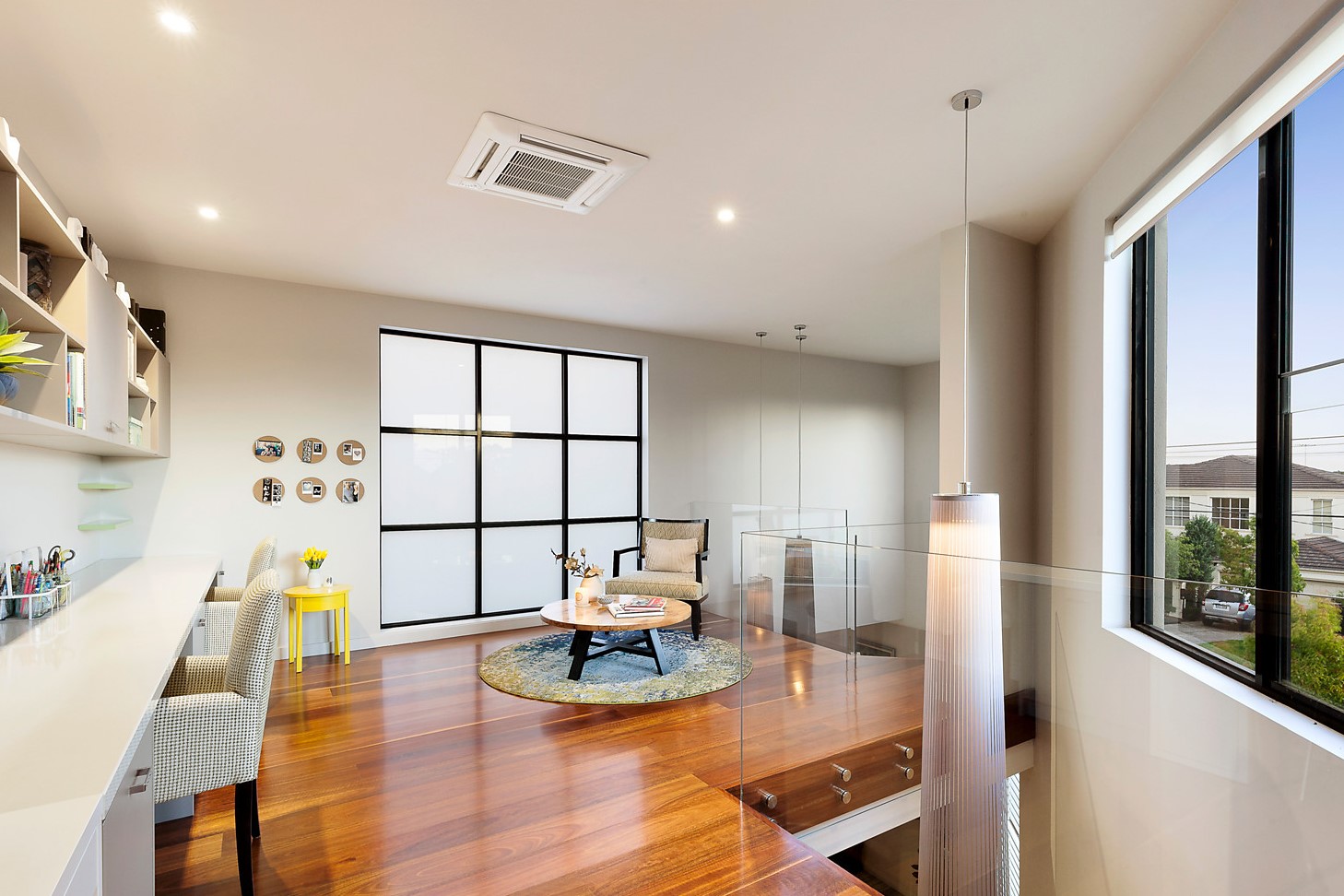
Precision is the cornerstone of quality staircase manufacturing. Let’s look at how it elevates the entire process from design to installation.
Benefits of CNC Precision Stair Manufacturing
CNC machining offers unparalleled precision, creating components that fit perfectly together. This level of accuracy ensures every staircase is built to exact specifications, reducing errors and waste. CNC technology allows complex designs to become reality, making your staircase not just functional but a work of art. It’s like having a master craftsman working on each piece with millimetre accuracy.
Crafting Steel Spine and Floating Stairs in Melbourne
Steel spine and floating stairs offer sleek, modern aesthetics. These designs require meticulous attention to detail to ensure stability and style. The use of steel provides strength, while the floating effect gives an airy, open feel. In Melbourne, these styles are increasingly popular for their modern look and robust construction. Floating stairs make a bold statement while maintaining functionality.
Quality Materials: Victorian Ash, Spotted Gum, and American Oak
Choosing the right material is key to your staircase’s look and longevity. Victorian Ash, Spotted Gum, and American Oak are popular choices in Melbourne for their beauty and durability. Each wood type offers unique characteristics: Victorian Ash for its light colour, Spotted Gum for its rich tones, and American Oak for its timeless appeal. These materials not only enhance aesthetics but also ensure the staircase withstands daily wear.
Designing Custom Staircases in Melbourne
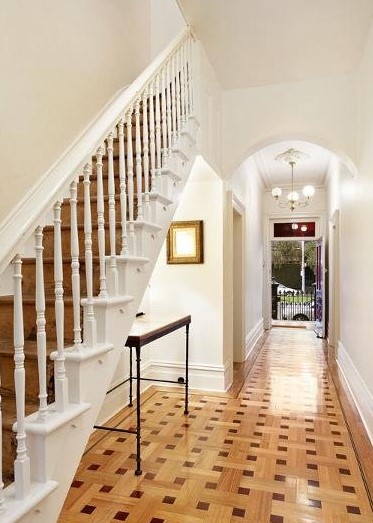
Designing your staircase involves more than just picking a style. It requires a balance of creativity, compliance, and craftsmanship.
The Role of a Registered Building Practitioner Victoria
A Registered Building Practitioner ensures that staircase designs meet all regulatory standards. Their expertise guarantees that every aspect, from structural integrity to aesthetic details, aligns with legal requirements. Having a professional guide you through the process streamlines the experience and prevents costly mistakes. It’s like having a trusted advisor at your side, ensuring your vision becomes reality.
Key Considerations for Stair Design and Installation Melbourne
Designing a staircase involves considering space, style, and safety. You’ll want to think about how the staircase fits within your home or building, its visual impact, and how it meets compliance standards. Working with experienced professionals helps navigate these decisions, ensuring balance between aesthetics and practicality. Melbourne’s unique architectural styles offer a canvas for creativity, making each project unique.
Planning Your Staircase: Measure and Design Consultations
Planning starts with precise measurements and a clear vision. Consultations with experts help turn ideas into actionable plans. This phase includes discussing materials, styles, and configurations. Accurate site measures ensure that the final staircase fits perfectly within your space. These consultations are vital for aligning your vision with practical execution. Ready to plan your dream staircase? Join our community for inspiration and advice.
Frequently Asked Questions
What are the key regulations for custom staircases in Melbourne?
The key regulations include compliance with NCC/BCA standards, which cover aspects like riser and going measurements and balustrade heights. These are essential for ensuring safety and functionality.
Why is precision important in staircase manufacturing?
Precision ensures components fit together perfectly, reducing errors and waste. It’s crucial for creating both functional and aesthetically pleasing staircases, especially for complex designs.
What materials are best for custom stairs in Melbourne?
Victorian Ash, Spotted Gum, and American Oak are popular for their durability and beauty. Each offers unique qualities that enhance the staircase’s look and longevity.
Who should oversee the design of a custom staircase?
A Registered Building Practitioner ensures that all design aspects meet regulatory standards. They guide you through the process, helping to avoid costly mistakes and ensuring compliance.
How do consultations help in staircase planning?
Consultations provide precise measurements and turn ideas into actionable plans. They ensure your vision aligns with practical execution, resulting in a perfect fit for your space.


